

Garage door cable issues often go unnoticed until clear performance problems begin to surface. Garage door cable replacement is necessary because cables are critical to supporting the door’s weight and guiding its movement, yet their condition is rarely monitored closely. When cables begin to wear, stretch, or deteriorate, the effects usually appear gradually, making it difficult for homeowners to recognize when simple garage door cable repair is no longer enough.
Many cable-related failures follow a sequence of visual, operational, and mechanical clues that develop over time. Understanding these clues helps position cable replacement as a predictable stage in a garage door system’s life cycle rather than an unexpected disruption.
Why Garage Door Cable Problems Are Often Underestimated
Garage door cable issues are often underestimated because the system continues to operate even as internal damage develops. Springs, rollers, and openers often compensate for weakened cables by absorbing additional strain, allowing the door to operate longer than it should under compromised conditions. This compensation delays obvious failure while increasing stress throughout the system.
Another reason cable deterioration is commonly misjudged involves familiarity with daily operation. A garage door that opens and closes every day appears reliable, even when subtle changes begin to occur. Small shifts in sound or movement can feel insignificant until they accumulate into instability that cannot be ignored.
Get prepared with the essential details homeowners should know before garage door cable replacement becomes necessary by reading: What Homeowners Should Know Before Garage Door Cable Replacement Becomes Necessary.
How gradual cable wear avoids immediate detection
Cable wear accumulates over time as metal strands experience repeated tension during daily door cycles. Individual strands weaken internally long before visible damage appears on the surface, which explains why many failures feel sudden rather than progressive.
Common contributors to gradual cable wear include:
- Repeated lifting cycles that exceed original design expectations
- Minor alignment issues that increase friction on one side
- Environmental exposure to moisture or debris
- Inconsistent tension caused by aging springs
These conditions rarely create immediate failure symptoms, which encourages continued operation; however, over time, unnoticed wear reduces safety margins until replacement becomes unavoidable.
Learn how garage door cables operate and why a failure can create serious safety risks for people and property by reading: How Garage Door Cables Work and Why Failure Creates Serious Safety Risks.
Why does system compensation delay urgency
Garage door systems are engineered to tolerate limited imbalance without immediate breakdown. Springs and openers temporarily absorb excess load when cables deteriorate, preserving basic functionality while increasing stress elsewhere.
System compensation often leads to:
- Increased opener workload without visible malfunction
- Gradual misalignment that worsens slowly
- Sound changes that appear inconsistent rather than alarming
This delayed response creates a false sense of security, and as a result, replacement decisions often occur later than ideal because compensation masks the underlying issue.
Find guidance on selecting a qualified professional for garage door cable replacement to ensure safe, reliable service by reading: How to Choose a Qualified Professional for Garage Door Cable Replacement.
Visible Damage That Indicates Replacing Garage Door Cables
Some signs of cable failure are readily observable and should prompt immediate attention, as visual damage typically indicates compromised structural integrity rather than surface wear.
Continued operation with visible cable damage significantly increases the risk of sudden failure, and inspection typically reveals damage near high-tension areas, especially close to the bottom brackets or cable drums, which experience the greatest stress during movement, making them reliable indicators of cable condition.
Fraying and broken strands along the cable
Frayed cables are a clear sign that it is time to replace the garage door cables. Even limited strand breakage reduces overall load capacity and increases stress on the remaining strands.
Common visual indicators include:
- Individual strands protruding from the cable surface
- Uneven thickness along the cable length
- Sections that appear rough or shredded
- Visible metal fibers are separating during movement
When such conditions arise, the cable loses its ability to distribute the load uniformly, increasing the risk of sudden failure under tension if use continues. Fraying typically progresses faster than it levels off once it starts. Replacing the cable restores consistent performance and significantly reduces the risk of an unexpected system breakdown.
Rust and corrosion weaken cable strength
Corrosion compromises cable strength by reducing the effective metal cross-section. Moisture exposure in unconditioned garages often accelerates deterioration, especially in humid or coastal environments.
Corrosion-related warning signs include:
- Brown or reddish discoloration on cable strands
- Pitted or flaking metal surfaces
- Stiff cable sections that resist smooth bending
- Rust concentrated near attachment points
These indicators suggest structural weakening beneath the surface, and replacement becomes safer than repair once corrosion affects load-bearing sections, as corroded cables can fail unpredictably under tension. Even when garage doors are not yet failing, taking proactive steps to ensure they remain functional helps prevent sudden failure and damage.
Operational Changes That Signal Advancing Cable Failure
Performance changes are often the earliest functional warnings that cables are losing effectiveness. These changes reflect uneven tension or reduced load capacity. Continued operation under these conditions accelerates wear across the system.
Operational symptoms usually appear gradually, making them easy to dismiss as normal aging. Consistent observation helps differentiate routine variation from cable-related problems.
Uneven or tilted door movement
A garage door that lifts unevenly often indicates that one cable is carrying more load than the other, creating a visible tilt and placing additional strain on tracks and rollers.
Operational signs include:
- One side of the door is rising faster than the other
- A diagonal appearance when the door is partially open
- Increased resistance on one side during lifting
- Rollers are binding unevenly within the tracks
Rather than indicating an opener malfunction, these symptoms indicate uneven cable tension; replacing the cables restores proper balance and reduces strain on secondary components. If tilting continues, it likely indicates that garage door cable repair is no longer sufficient to resolve the underlying issue, making replacement a more reliable and durable solution.
Jerky or inconsistent motion during operation
Damaged or stretched cables disrupt smooth door travel, causing hesitation or sudden changes in movement. These irregularities increase friction and accelerate wear throughout the system.
Common movement irregularities include:
- Hesitation at specific travel points
- Sudden drops or surges during lifting
- Inconsistent speed despite steady opener input
- Vibration transmitted through the door panels
Such behaviors reflect irregular load distribution, not simply sporadic mechanical sounds, and replacing affected components addresses the underlying imbalance rather than concealing its effects. Operating the machinery while motion remains inconsistent increases the risk of going off track, whereas prompt replacement helps prevent escalating mechanical strain.
Safety-Related Symptoms That Make Delay Risky
Certain symptoms indicate that cable deterioration has progressed into a safety concern, involving loss of control, predictability, or balance. Delaying replacement under these conditions increases the risk of injury or property damage, as safety-related issues often impair manual operation and system responsiveness, indicating compromised load support.
Loss of control during manual operation
Manual lifting becomes increasingly difficult as cables weaken. Doors may feel heavier or respond unpredictably to small adjustments. This loss of control increases the risk of injury during everyday use.
Manual warning signs include:
- Increased effort is required to lift the door
- Difficulty holding the door at mid-height
- Sudden downward movement when released
- Uneven resistance throughout travel
These symptoms indicate that the cable tension is no longer evenly distributing the door’s weight. Replacement restores controlled movement and predictable balance; therefore, manual instability should never be dismissed, as continued use under these conditions increases the risk of sudden door drops.
Increased strain is placed on the garage door opener
Garage door openers often compensate for cable wear, which increases motor strain. This compensation delays failure while reducing safety margins.
Indicators of opener overload include:
- Slower opening speeds without setting changes
- Louder motor operation during lifting
- Frequent stopping or reversing
- Repeated force adjustments are becoming necessary
These signs suggest the opener is carrying a load intended for the cables. Replacement protects the opener and restores proper load distribution. Continued reliance on opener compensation increases overall system risk. Replacing cables improves reliability and reduces long-term wear.
Off-Track Incidents as a Clear Replacement Indicator
A cable coming off track represents one of the strongest signals that replacement should not be delayed. Off-track events reflect a significant imbalance or component wear that can compromise the entire garage door system. When a cable is off-track, continued operation becomes unpredictable and unsafe, posing potential risks to both property and personal safety. Off-track conditions often result from prolonged wear during regular use or sudden alignment shifts caused by external factors. Track realignment is crucial because neglect can lead to more severe problems, including damage to the garage door or injury.
In addition to the risk of immediate malfunction, an off-track cable can indicate underlying issues that may require further inspection. For instance, worn rollers or tracks may need replacement to ensure smooth operation and prevent future occurrences. Regular maintenance can help identify these issues before they escalate, promoting a safer, more reliable garage door system. Therefore, if you notice any signs of an off-track cable, it is imperative to seek professional assistance without delay to prevent further damage and ensure the longevity of your garage door.
How cables come off track during normal operation
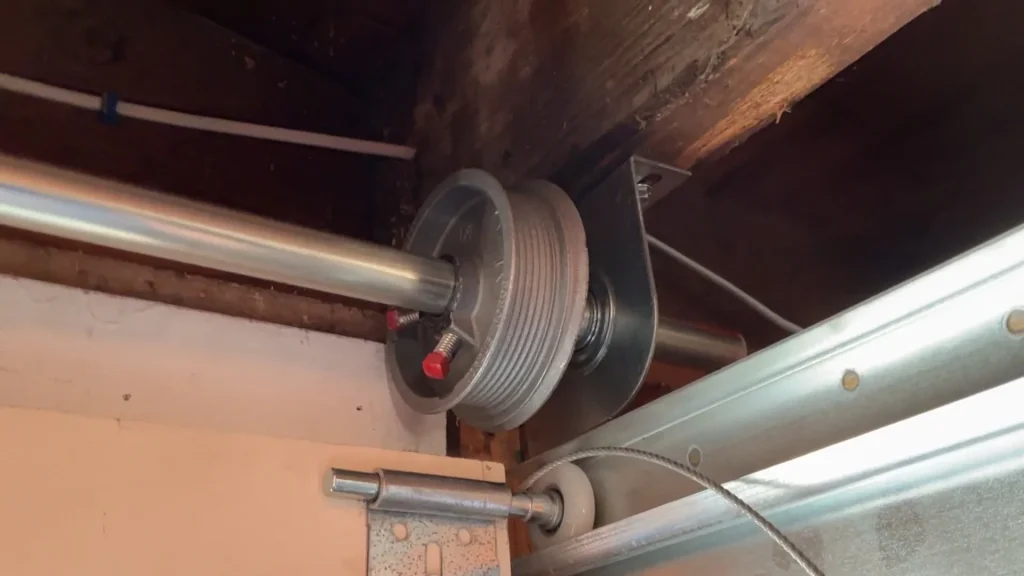
Cables remain seated in the drum grooves only when the tension is balanced, but wear, stretching, or spring issues can disrupt this balance, allowing cables to slip.
Common contributing factors include:
- Weakening or broken springs
- Worn or damaged cable drums
- Advanced cable stretching
- Prior improper adjustments
Off-track incidents rarely occur without underlying deterioration, and replacement addresses systemic imbalance more effectively than repeated adjustments. Ignoring the root cause of an off-track event increases the risk of recurrence, while replacement stabilizes the system and restores predictable operation.
Risks of continued use after an off-track event
Even partial operation after a cable slips off track introduces serious hazards, as one side of the door often carries most of the load, increasing the risk of failure.
Risks associated with continued operation include:
- Sudden door drops
- Track deformation or detachment
- Panel stress and bending
- Accelerated failure of the remaining cable
Operation under these conditions should be avoided, as replacement restores balanced support and reduces safety risk. Repeated attempts to repair a garage door cable after an off-track incident often delay the necessary replacement, and early replacement limits total damage.
When Repair No Longer Provides Reliable Protection
When it comes to replacing garage door cables, the original load capacity rather than extending the life of compromised components. This ensures that the door operates smoothly and safely, preventing malfunctions that could pose risks to people and property. Investing in timely replacement not only enhances the door’s functionality but also extends the system’s lifespan. Homeowners should prioritize recognizing these signs and act promptly to maintain the safety and reliability of their garage doors.
Structural limitations of cable repair
Repair cannot restore lost metal strength or reverse corrosion damage. Once multiple strands are compromised, remaining strands experience excessive stress.
Repair limitations include:
- Inability to address internal strand fatigue
- Continued vulnerability to sudden failure
- Reduced lifespan after partial fixes
- Persistent imbalance despite adjustments
These limitations increase risk over time, and replacement addresses the underlying structural problem rather than postponing failure. Repair decisions that consider long-term reliability are essential; replacement offers a more predictable outcome.
Benefits of timely cable replacement
Replacing cables before complete failure improves system stability and safety. Performance improvements are often noticeable immediately after replacement.
Key benefits include:
- Restored balance and smooth operation
- Reduced strain on springs and openers
- Lower risk of secondary component damage
- Improved daily reliability
Replacing components promptly minimizes overall maintenance expenses and prevents unforeseen emergencies.
Well-Maintained Cables Support Reliable Operation
Garage door cable replacement should not be delayed when visible damage, operational irregularities, safety issues, or off-track incidents are observed. These signs indicate that garage door cable repair may no longer provide sufficient protection or reliability. Recognizing these patterns helps frame replacement as a necessary step rather than a reactive measure.
Automatic Garage Door Corporation specializes in garage door repair, installation, and maintenance, with a focus on secure, smooth operation. Every project is approached with professionalism and attention to detail, enhancing both function and appearance. Local knowledge and skilled service enable the effective resolution of a wide range of garage door issues.
Contact us today or give us a call to get started with reliable garage door solutions.
Frequently Asked Questions
What are the most common signs that garage door cable replacement should not be delayed?
Common signs include visible fraying, rust, or loose strands along the cable surface. We often see these issues appear alongside uneven door movement or sudden jerking during operation. These symptoms indicate the cable is weakening and may fail without warning.
Why does uneven garage door movement point to cable problems?
Garage door cables are responsible for lifting both sides of the door evenly. When one cable begins to wear or stretch, the door may tilt or lift at an angle. This uneven movement signals that cable replacement should be addressed promptly.
How does a sagging or crooked door indicate cable failure?
A door that sags or appears crooked usually means one cable is no longer supporting its share of the load. We find this imbalance increases strain on tracks, rollers, and springs. Continuing to operate the door in this condition can quickly worsen the damage.
Why is fraying on garage door cables a serious warning sign?
Fraying indicates that individual strands within the cable are breaking down. We see this as a clear sign that the cable’s strength is compromised. Once fraying appears, the risk of sudden snapping increases significantly.
How do loud noises during operation relate to cable wear?
Popping, grinding, or snapping sounds can occur when cables struggle to move smoothly on the drum. We often find these noises appear as tension becomes uneven or strands begin to fail. Sound changes often signal that cable replacement should not be postponed.
Why does a door that gets stuck mid-cycle suggest cable issues?
A door that hesitates during opening or closing may be experiencing uneven tension from worn cables. We see this behavior when one side of the door lifts faster than the other. This condition increases stress and raises the risk of complete failure.
How does rust or corrosion affect garage door cables?
Rust weakens cable strands and reduces their ability to handle tension safely. We often see corrosion develop in garages with moisture or temperature fluctuations. Corroded cables are far more likely to fail unexpectedly.
Why does continued use increase danger once cable wear is visible?
As outlined in Angi, all garage door parts play unique roles, and any parts showing signs of wear require immediate attention. Using the door with worn cables increases stress during every cycle. We find that this accelerates deterioration and increases the risk of sudden failure. Continued operation can turn a manageable repair into a serious safety issue.
How can cable problems lead to damage in other garage door components?
When cables wear unevenly, other parts must compensate for the imbalance. We often see added strain placed on springs, tracks, and the opener as a result. This can result in multiple failures rather than a single repair.
Why is timely cable replacement the safest course of action?
Replacing cables before failure helps maintain controlled, balanced door movement. We find that timely replacement reduces safety risks and protects surrounding components. Addressing cable issues early helps ensure a reliable, safe garage door operation.