

Garage doors have safety features that keep them working during unexpected situations. One key component is the garage door manual release, or emergency release cord, which disconnects the door from the opener so it can be opened manually.
Many homeowners notice this during a power outage or opener failure and may wonder if the manual release can stop the door from opening. In most cases, it does not. It simply disconnects the opener, allowing the door to be lifted by hand.
However, issues like spring problems or track obstructions can make the door difficult to move. In these situations, a professional garage door service may be needed to inspect the system and identify the cause.
For homeowners in San Francisco, CA, understanding how the manual release works can help prevent confusion and protect the garage door system.
What the Garage Door Manual Release Actually Does
The garage door manual release is a safety feature built into most modern garage door opener systems. Its main purpose is to disconnect the garage door from the opener so the door can be operated manually.
The manual release is usually easy to identify. It often appears as a red handle attached to a short cord hanging from the opener rail. Pulling this handle disengages the opener trolley, which normally connects the door to the motorized opener.
Once disengaged, the opener can no longer lift or lower the door. Instead, the door must be moved manually along the garage door tracks.
This feature is especially helpful during situations such as:
- Power outages
- Opener motor failure
- Electrical problems
- Emergency access situations
It is important to understand that the manual release does not lock the garage door or prevent it from opening. The release only separates the door from the motorized system.
However, when the door is disconnected from the opener, its movement relies entirely on the garage door spring system and overall door balance. If any part of the system is worn or misaligned, the door may become difficult to open or close manually.
Garage door professionals often recommend that homeowners become familiar with this feature before an emergency occurs. Knowing how the release works can help reduce confusion when the system must be used.
For more helpful information, explore the related guide “Garage Door Manual Release Is Stuck? What to Do Next.”
Why the Garage Door May Stop Opening After Pulling the Manual Release
Although the manual release itself does not stop the door from opening, several mechanical issues can make the door difficult to lift after it has been disengaged from the opener.
The Door Is Extremely Heavy
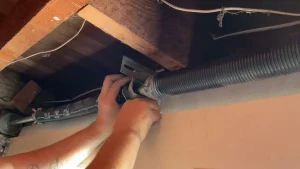
Garage doors rely on torsion springs or extension springs to support most of the door’s weight. These springs store mechanical energy that helps the door lift smoothly.
If the springs become worn or break, the door may become very heavy to lift manually.
Common signs include:
- The door only lifts a few inches
- The door feels unusually heavy
- The door quickly falls back down
Because springs carry most of the door’s weight, a problem in the spring system can make manual operation extremely difficult.
The Opener Trolley Did Not Reconnect
After the manual release cord is pulled, the opener trolley separates from the carriage system attached to the motor.
If the trolley does not reconnect correctly after the door is closed, the opener motor may run while the door remains still.
This situation often occurs when:
- The door is manually moved without resetting the trolley
- The opener carriage is slightly misaligned
- The reconnect mechanism has not engaged properly
Track Obstructions or Debris
Garage doors move along metal tracks mounted on both sides of the door frame. These tracks must remain clear for the door to travel smoothly.
Dust, dirt, or small debris inside the tracks can create resistance that prevents the door from moving easily.
In dense urban areas such as San Francisco, garage doors may collect dust, moisture, and debris more quickly due to environmental conditions and frequent daily use.
Door Balance Problems
A properly functioning garage door should feel relatively light when lifted manually.
If the door moves unevenly, appears crooked, or stops halfway, it may indicate door balance issues. These issues can occur when springs lose tension or when cables become misaligned.
An unbalanced door can make manual operation difficult and may cause the door to appear stuck.
For more insights into this issue, see the related guide “Why Is My Garage Door Manual Release Not Working?”.
Situations Where the Manual Release Can Make the Door Harder to Open
There are several situations where the use of the manual release can make the garage door seem difficult to operate.
One common scenario occurs during power outages. After the release is pulled, the opener motor no longer assists with lifting the door. If the door system is not properly balanced, homeowners may suddenly notice how heavy the door actually is.
Another situation occurs when the emergency release cord is pulled accidentally. This sometimes happens when objects inside the garage catch the cord or when the handle is pulled unintentionally.
In these cases, the door may appear disconnected from the opener system, which can lead to confusion when the opener motor runs but the door does not move.
A third situation occurs when the garage door opener loses synchronization with the trolley mechanism. When this happens, the opener may require reconnection before it can operate normally again.
Although these situations can be frustrating, they are usually related to mechanical conditions within the garage door system rather than the manual release itself.
For a clearer explanation of the mechanism, read the guide “How Does a Garage Door Manual Release Work?”
Signs There May Be a Mechanical Problem
If the garage door becomes difficult to move after using the manual release, certain warning signs may indicate that the system needs inspection.
The Door Feels Too Heavy
Garage doors should feel manageable when lifted by hand. A door that feels unusually heavy may indicate spring wear or tension problems.
The Door Moves Crooked
A door that moves unevenly along the tracks may indicate cable imbalance or track alignment issues. Crooked movement can place extra strain on other parts of the system.
The Opener Runs, but the Door Does Not Move
If the opener motor runs but the door remains still, the trolley mechanism may still be disengaged from the opener carriage.
The Door Stops Midway
Doors that stop halfway during movement may be experiencing balance problems, track resistance, or sensor issues.
These warning signs suggest that the garage door system may require professional evaluation to prevent further damage.
What Homeowners Can Safely Check Before Calling a Professional
When the garage door does not move as expected after using the manual release, a simple visual inspection may help identify minor issues.
Several basic checks can be performed safely without adjusting or repairing the system.
Homeowners can start by:
- Looking at the emergency release cord and handle
- Checking whether the opener trolley appears aligned with the carriage
- Inspecting the garage door tracks for debris
- Observing whether the door moves smoothly when lifted gently
It is important to avoid forcing the door if resistance is present. Applying excessive force may damage parts of the system, such as:
- Opener gears
- Garage door springs
- Lifting cables
- Track brackets
If the door does not move easily during a gentle test, it may indicate that the system requires professional inspection.
Tips to Avoid Manual Release Problems in the Future
Regular maintenance can help reduce the chances of problems occurring after using the manual release.
Test the Manual Release Occasionally
Testing the emergency release occasionally ensures that the mechanism still disengages properly. Performing this test during normal operation helps confirm that the system is functioning correctly.
Keep Garage Door Tracks Clean
Garage door tracks should remain free of dirt, dust, and debris. Wiping the tracks periodically can help maintain smooth door movement.
Schedule Routine Garage Door Inspections
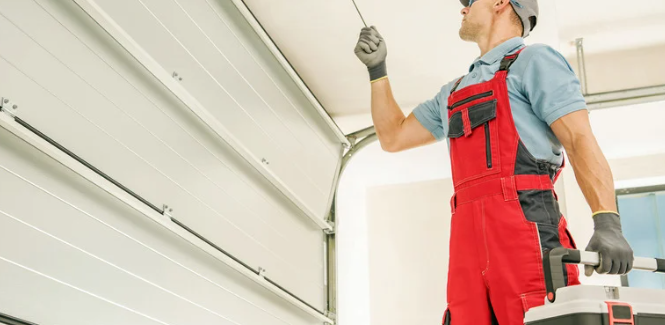
Professional garage door inspections allow technicians to evaluate important components such as:
- Spring tension
- Cable condition
- Door balance
- Opener alignment
During these inspections, technicians may also check for worn cables that could eventually require garage door cable replacement, which helps maintain proper door balance and safe operation.
Routine inspections help identify small issues before they develop into larger mechanical problems.
Lubricate Moving Components
Lubricating certain moving parts helps reduce friction and mechanical wear. Components that may benefit from occasional lubrication include:
- Rollers
- Hinges
- Opener rails
Proper lubrication supports smoother door movement and can extend the lifespan of the garage door system.
Avoid Pulling the Release While the Door Is Moving
Pulling the emergency release while the door is actively opening or closing may cause the door to lose balance suddenly. This can place stress on springs, cables, and other structural components.
Waiting until the door is fully closed before using the release is generally safer.
When It May Be Time to Call a Garage Door Professional
Some garage door issues require professional attention to ensure the system operates safely.
Professional evaluation may be necessary when:
- The garage door becomes extremely heavy
- The opener fails to reconnect after disengaging
- The door appears crooked during operation
- Unusual grinding or snapping sounds occur
Garage door technicians typically inspect several parts of the system when diagnosing these problems, including:
- Torsion or extension springs
- Cable tension
- Opener trolley alignment
- Track condition
- Overall door balance
They may also check the condition and weight distribution of the door itself, especially in systems with an insulated garage door, which can place additional strain on springs and openers if the system is not properly balanced.
Repair costs vary depending on the specific component involved, but addressing problems early can help prevent larger repairs later.
Understanding the Purpose of the Garage Door Manual Release
The garage door manual release is a safety feature that allows the door to be operated manually during power outages or opener problems. It does not lock the door or stop it from opening; it simply disconnects the door from the opener.
If the door becomes difficult to lift after using the release, the issue is often related to spring tension, track alignment, or door balance.
For homeowners in San Francisco, CA, regular inspections and basic maintenance, such as checking components and maintaining proper door weatherstripping, can help keep the garage door system operating safely and reliably.
Professional Garage Door Help in San Francisco
When a garage door system begins showing signs of mechanical issues, professional evaluation can help prevent further damage and improve long-term performance. Automatic Garage Door Corporation provides experienced garage door services in San Francisco, helping homeowners maintain safe and reliable garage door systems through inspections, maintenance, and repairs. If your garage door is showing signs of trouble or the manual release is not working as expected, contact us today or give us a call to have a professional technician help restore smooth and dependable operation.
Frequently Asked Questions
Can a garage door manual release prevent the door from opening?
No. The garage door manual release does not stop the door from opening. It simply disconnects the garage door from the opener motor so the door can be operated manually. Additional homeowner tips about garage door issues can also be found on Family Handyman.
Why won't my garage door open after pulling the manual release?
If the door will not open after pulling the manual release, the issue may involve worn springs, poor door balance, track obstruction, or a mechanical problem within the garage door system. Additional information about common garage door problems can also be found on Liberty Home Guard.
Is it normal for a garage door to feel heavy after using the manual release?
Yes. Once the manual release is pulled, the opener no longer assists in lifting the door. If the springs are worn or damaged, the door may feel unusually heavy when opened manually.
How do you reconnect a garage door after using the manual release?
Most garage doors reconnect automatically when the opener is activated, and the trolley reengages the carriage. In some cases, the door may need to be manually aligned before the opener reconnects.
Can pulling the emergency release damage the garage door opener?
No. The emergency release is designed as a safety feature and will not damage the opener when used properly. However, forcing the door or using the release while the door is moving may place stress on the system.
When should the garage door manual release be used?
The manual release is typically used during power outages, opener malfunctions, or emergency situations when the garage door must be opened manually.
What should be checked if the garage door does not reconnect to the opener?
Homeowners can check the opener trolley alignment, inspect the emergency release cord, and confirm the door is fully closed. If the opener still does not reconnect, professional inspection may be needed.
Why does the garage door opener run, but the door does not move?
This usually means the garage door is still disconnected from the opener trolley. The opener motor may run, but the door will not move until the system reconnects.
Is it safe to operate a garage door manually?
Manual operation is generally safe if the door is properly balanced. If the door feels extremely heavy or difficult to lift, it may indicate spring or cable problems that require professional attention.
How can homeowners prevent problems with the manual release system?
Routine garage door maintenance can help prevent issues. This includes keeping tracks clean, lubricating moving components, testing the manual release occasionally, and scheduling regular garage door inspections.