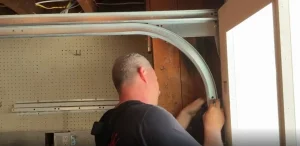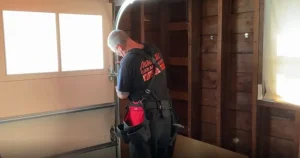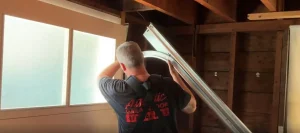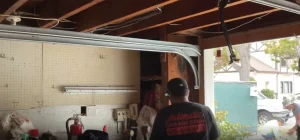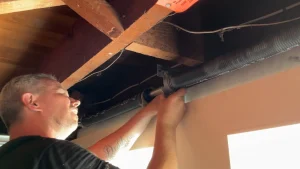


A garage door manual release allows the door to be opened or closed by hand when the automatic opener stops working. This feature is especially useful during power outages or opener malfunctions. It typically works by pulling a red cord that disconnects the door from the opener trolley so the door can move freely.
When the manual release is not working, the door may stay stuck or become difficult to move. Several parts of the garage door system, such as the opener trolley, springs, tracks, and emergency release cord, must function properly for manual operation to work. In some situations, professional garage door service may be needed to inspect these components and ensure the system operates safely.
In San Francisco, CA, coastal moisture, temperature changes, and frequent use can also contribute to wear on garage door components. Recognizing the possible causes early can help homeowners identify issues before they become more serious.
The Garage Door May Be Under Excessive Tension
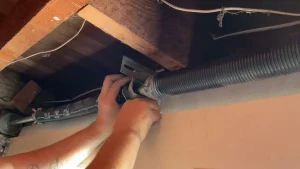
One of the most common reasons a garage door manual release is not working involves tension within the garage door system. Garage doors are supported by torsion or extension springs that help counterbalance the weight of the door.
When the door is under heavy tension, the release mechanism may not disengage easily. This can happen if the door is fully closed and pressure from the springs keeps the opener trolley locked in place.
Signs that tension may be affecting the manual release include:
- The door feels unusually heavy when attempting to lift it manually
- The opener appears to strain during operation
- The door does not move smoothly along the tracks
Garage door springs are designed to carry much of the door’s weight. If they become worn or lose proper tension, the manual release may become difficult to operate.
What to Check
A quick visual inspection can reveal whether the door appears crooked, uneven, or difficult to move. These signs may indicate a balance issue.
Preventive Tip
Routine garage door inspections help ensure the spring system and door balance remain properly adjusted. Preventive maintenance services typically fall within the average range of common garage door service costs, depending on the system.
For additional guidance, readers may also find helpful insights in the article Garage Door Manual Release Is Stuck? What to Do Next.
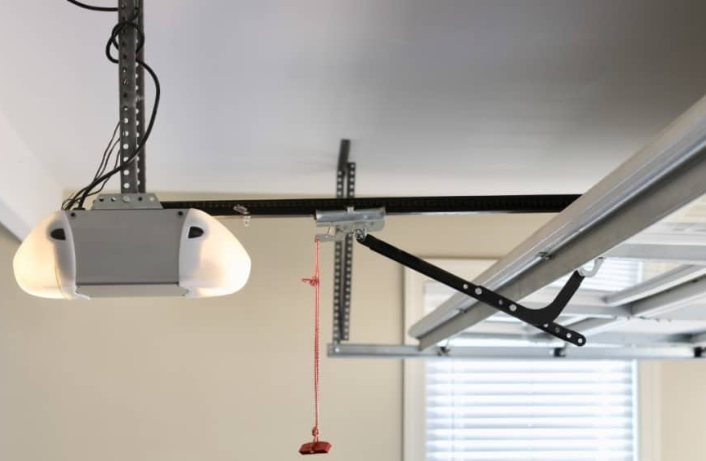
The Emergency Release Cord May Be Damaged
The emergency release cord is the part homeowners pull to disengage the garage door opener. Over time, this cord and its handle can experience wear from repeated use or aging materials.
If the cord becomes damaged, it may fail to disengage the opener trolley properly.
Common problems include:
- Frayed or weakened cord material
- Broken plastic release handle
- The cord is disconnected from the opener mechanism
If the cord is no longer attached to the trolley system, pulling the handle will not release the door.
What to Check
Inspect the red emergency release handle and cord for visible wear. Confirm that the cord remains securely connected to the garage door opener carriage.
Preventive Tip
The manual release should only be used when necessary, such as during power outages or opener failures. Excessive pulling can increase wear on the cord mechanism.
Homes near coastal areas like San Francisco may experience gradual material deterioration due to humidity and temperature fluctuations.
For a clearer understanding of how the system functions, the article How Does a Garage Door Manual Release Work? provides additional helpful information.
The Opener Trolley May Be Stuck
The garage door opener trolley connects the door to the opener rail. When the manual release cord is pulled, the trolley disengages so the door can move independently of the opener.
If the trolley becomes stuck along the opener rail, the manual release may not function as expected.
Several factors can contribute to this issue:
- Dirt buildup along the opener rail
- Lack of lubrication on moving components
- Bent or worn trolley parts
When friction builds up along the rail, the trolley may struggle to disengage or move smoothly.
What to Check
Look along the garage door opener rail for signs of debris, rust, or visible damage. The trolley should move freely when the system is disengaged.
Preventive Tip
Light lubrication of the opener rail and moving components can help maintain smooth movement and reduce friction.
The Garage Door Tracks May Be Misaligned
Garage door tracks guide the door as it moves up and down. When these tracks shift out of alignment, they can create pressure that prevents the door from moving properly. This pressure may also interfere with the manual release mechanism.
Track alignment issues can occur due to:
- Loose mounting brackets
- Minor impacts from vehicles
- Structural shifting within the home
In cities like San Francisco, some homes are built on hills or older foundations. Over time, slight structural movement can influence the alignment of garage door tracks.
What to Check
Look for visible gaps between the rollers and tracks. Bent or uneven tracks can cause the door to move unevenly or become stuck.
Preventive Tip
Periodic garage door inspections can identify track alignment problems early before they interfere with manual operation.
For more insight into how the release mechanism affects door movement, the article Can a Garage Door Manual Release Stop the Door From Opening? offers additional helpful information.
The Garage Door Springs May Be Worn
Garage door springs play a critical role in supporting the weight of the door. When springs begin to wear out, the door may become significantly heavier to lift.
This added weight can make the manual release system harder to operate.
Common signs of worn garage door springs include:
- The door feels heavy when lifted manually
- The door opens unevenly
- Loud noises occur during operation
Because springs carry high tension, they require careful inspection by trained technicians.
What to Check
If the door suddenly becomes difficult to lift or appears unbalanced, the springs may need professional evaluation.
Preventive Tip
Annual inspections help identify spring wear before a complete failure occurs.
Dirt and Debris May Be Blocking the Mechanism
Environmental buildup can affect several parts of a garage door system. Dust, debris, and corrosion may interfere with the movement of components connected to the manual release.
Common buildup areas include:
- Garage door tracks
- Opener rails
- Roller assemblies
Over time, debris can prevent smooth movement and place extra strain on the opener system.
Homes near coastal environments like San Francisco may also experience gradual corrosion due to salt in the air, which can affect metal components.
What to Check
Inspect the tracks and opener rail for visible dust, dirt, or debris that may obstruct movement.
Preventive Tip
Keeping the garage area clean and periodically wiping down tracks can help maintain smooth operation.
The Garage Door Opener May Need Adjustment
In some cases, the issue may originate within the garage door opener system rather than the manual release itself.
Garage door openers rely on several internal settings and components to function properly. When these systems require adjustment, the manual release may not disengage correctly.
Possible opener-related causes include:
- Incorrect opener limit settings
- Worn internal gears
- Sensor alignment issues
If the opener struggles to lift the door or responds slowly, it may indicate that the system requires inspection.
What to Check
Observe how the door behaves during normal operation. Delayed responses, unusual noises, or jerking movements may signal a problem within the opener.
Preventive Tip
Periodic inspections help ensure the garage door opener system and safety sensors remain calibrated and functioning properly.
What Homeowners in San Francisco Should Do if the Manual Release Stops Working
When the garage door manual release stops working, a few basic steps can help determine whether the issue is minor or requires professional attention.
Homeowners can begin by performing a simple visual inspection:
- Examine the emergency release cord and handle
- Look for debris along the opener rail and tracks
- Check whether the door appears crooked or difficult to move
Avoid forcing the manual release if resistance is present. Applying excessive force can damage the opener mechanism or internal components.
If the issue persists, a professional garage door inspection can help identify the underlying cause and ensure the system operates safely. Technicians may also check related components such as springs, opener systems, and cables to determine whether services like garage door cable replacement are necessary.
Garage door systems in San Francisco homes often experience environmental exposure and daily usage that can accelerate wear on moving parts. Routine inspections can help maintain reliable performance.
Tips to Help Prevent Manual Release Problems
Preventive maintenance plays an important role in keeping garage door systems operating smoothly. A few simple habits can reduce the likelihood of manual release issues.
Helpful maintenance practices include:
- Inspecting the emergency release cord periodically
- Keeping garage door tracks clean
- Lubricating rollers and opener rails when needed
- Testing the manual release occasionally to ensure it disengages properly
- Scheduling routine professional garage door inspections
Regular maintenance helps extend the lifespan of important components such as springs, rollers, tracks, and opener systems. For homes with an insulated garage door, routine inspections can also help ensure the heavier door structure remains properly balanced and supported by the spring system.
Understanding Why a Garage Door Manual Release May Stop Working
A garage door manual release not working can be caused by issues such as spring tension, a damaged release cord, a stuck opener trolley, track misalignment, debris buildup, or problems with the garage door opener.
Because these components work together, a problem in one part can affect the entire system. Signs like uneven door movement, unusual noises, or difficulty disengaging the opener may indicate an issue.
Regular maintenance and inspections help keep garage door systems operating safely. Checking related components such as tracks, springs, and door weatherstripping can also help maintain proper door movement and sealing. In San Francisco, CA, coastal moisture and daily use can contribute to gradual wear on moving parts and weather seals.
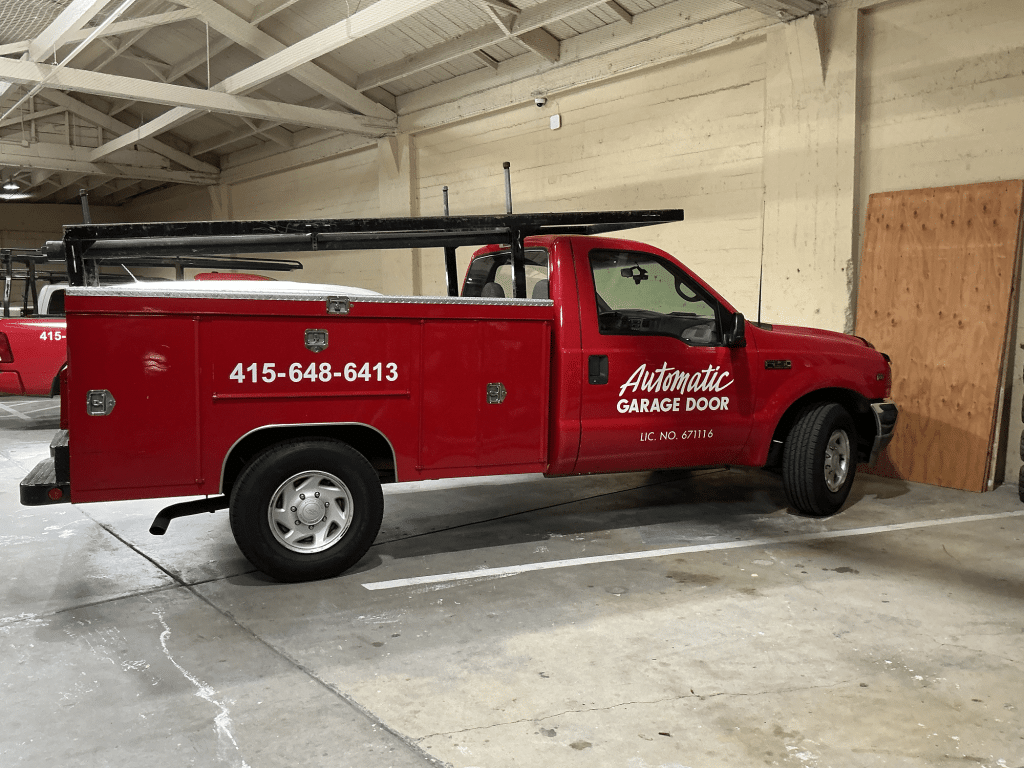
Professional Garage Door Help in San Francisco, CA
When manual release problems occur, professional evaluation can help identify the cause and restore proper operation. Automatic Garage Door Corporation provides experienced garage door services for homeowners in San Francisco, CA, helping ensure that opener systems, springs, tracks, and safety components are functioning correctly. If a garage door manual release is not working or the door shows signs of mechanical issues, scheduling an inspection can help prevent further complications. Contact us today or give us a call to learn more about available garage door inspection and service options.