

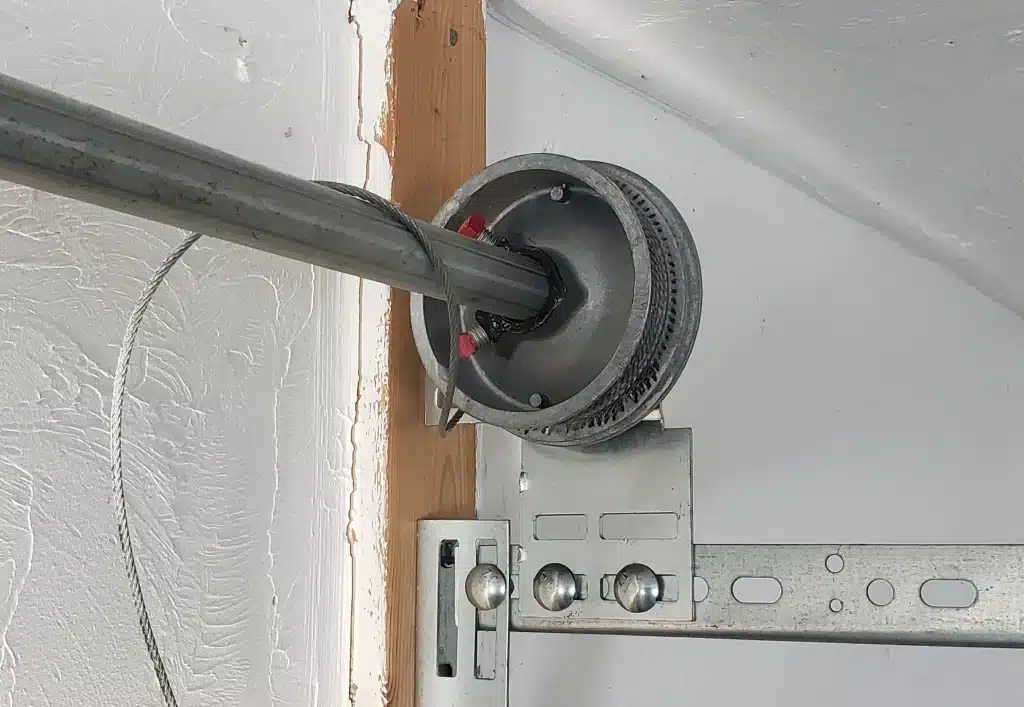
Garage door cables rarely get the attention they deserve until something goes wrong. Tucked along the sides of the door and operating quietly with springs and drums, these cables are essential to safe, balanced operation, and cable replacement is necessary when they fray, slip, or come off track. The door’s behavior can change quickly, sometimes turning a routine inconvenience into a safety concern. A cable issue does not simply affect convenience; it can compromise access to the home, damage vehicles, and strain other components.
Understanding how cable problems develop helps homeowners recognize when garage door cable repair is appropriate and when it is time to replace garage door cables altogether. Regular maintenance and inspection can prevent many common issues, ensuring that the garage door operates smoothly. By being proactive about cable care, homeowners can avoid the stress and expense of more significant repairs later. Taking the time to understand the signs of wear and tear can make all the difference in maintaining a safe, functional garage door.
Understanding the Role Garage Door Cables Play in System Balance
Garage door cables are not standalone components; they are critical load-bearing components that work in precise coordination with other essential elements, such as springs, drums, and tracks, to ensure the garage door operates smoothly. Understanding the vital role that these cables play in the overall system provides important context for why issues related to them can escalate quickly and lead to more significant problems when they are ignored or left unaddressed.
Understand how garage door cables function and why cable failure can create serious safety hazards for your home by reading: How Garage Door Cables Work and Why Failure Creates Serious Safety Risks.
How cables support the door’s weight during operation
Cables transmit the lifting force generated by the springs to the door. As the springs wind and unwind, the cables move along the drums to raise and lower the door evenly.
Key functions cables perform include:
- Supporting a significant portion of the door’s weight during movement
- Maintaining equal lift on both sides of the door
- Keeping the door aligned within the tracks
- Preventing sudden drops when the door is opening or closing
When cables lose integrity, these functions degrade, often affecting balance before complete failure.
Recognize the common warning signs that indicate garage door cable replacement should not be put off by reading: Common Signs Garage Door Cable Replacement Should Not Be Delayed.
Why cable issues often affect other components first
One reason cable problems are misunderstood is that the earliest symptoms often appear elsewhere. A door that seems crooked, feels jerky, or makes new noises may lead homeowners to suspect tracks or rollers rather than cables.
Early secondary effects can include:
- Uneven wear on rollers or hinges
- Increased strain on the garage door opener
- Door panels flexing during movement
- Tracks shifting due to uneven load
By the time cables are visibly damaged, the system has often been compensating for some time.
Learn how to choose a qualified professional for garage door cable replacement to ensure safe, reliable results by reading: How to Choose a Qualified Professional for Garage Door Cable Replacement.
Common Warning Signs That Cable Replacement Is Approaching
Cable failure rarely happens without warning. Recognizing early indicators allows homeowners to address problems before a complete cable break or off-track event occurs.
Visual signs that should not be ignored
Some of the most reliable warning signs are visible during routine observation. Taking a moment to look at the cables when the door is closed can reveal early deterioration.
Common visual indicators include:
- Fraying or broken strands along the cable length
- Rust or corrosion on the cable surface
- Uneven winding on the cable drums
- Cables appearing slack on one side
- Cables no longer appropriately seated in drum grooves
These signs suggest that garage door cable repair may no longer be sufficient.
These warning signs can easily fall through the cracks if you are not following any routine inspection or maintenance process. The Door & Access Systems Manufacturers Association emphasizes the importance of prioritizing safety, including regularly inspecting cables to ensure efficiency.
Operational changes that signal deeper cable issues
Changes in how the door moves often precede visible damage. These operational symptoms are easy to attribute to other components, but they often stem from cable issues.
Operational warning signs include:
- The door lifting unevenly or tilting
- Jerky or hesitant movement during opening
- Loud scraping or popping noises
- The door stopping mid-travel unexpectedly
- Increased resistance during manual operation
When these behaviors appear together, drum repair or replacement is often closer than homeowners realize.
How Garage Door Cables Come Off Track and Why It Matters
A garage door cable off track is one of the clearest indicators that immediate attention is required. Understanding how this happens helps clarify why it is rarely safe to continue using the door.
Common causes of cables coming off track
Cables typically come off track when tension becomes uneven or when other components fail to guide them properly. This can happen gradually or suddenly, depending on the circumstances.
Frequent causes include:
- Worn or damaged cable drums
- Broken or weakening garage door springs
- Impact damage that shifts the door alignment
- Improper prior adjustments or repairs
- Corrosion weakens cable strands
Once a cable leaves its intended path, the door’s balance is compromised almost immediately.
Risks associated with continued operation after a cable slips
Continuing to use a garage door with a cable off track introduces significant safety and mechanical risks. Even if the door still moves, its behavior is unpredictable.
Risks often include:
- The door binding or jamming in the tracks
- Increased chance of the door falling suddenly
- Damage to tracks, panels, or the opener
- Accelerated wear on the remaining cable
- Higher overall garage door cable replacement cost
At this stage, it is often safer to replace the cable than attempt a repair, as a malfunctioning cable can lead to more significant issues down the line.
Deciding Between Garage Door Cable Repair and Full Replacement
One of the most common questions homeowners face is whether a cable can be repaired or must be replaced. The answer depends on the condition, age, and system behavior.
Situations where repair may still be appropriate
In some cases, garage door cable repair can address minor issues before full replacement becomes necessary. These situations typically involve limited wear and stable system balance.
Repair may be considered when:
- Damage is superficial and limited to one small area
- Cables are relatively new and corrosion-free
- Drums and springs are in good condition
- No history of off-track incidents exists
Even then, repair decisions should be made cautiously.
Indicators that replacement is the safer choice
Complete replacement becomes the preferred option when damage affects structural integrity or system balance. At this point, repairs may only delay an inevitable failure.
Replacement is usually necessary when:
- Multiple strands are frayed or broken
- Corrosion has weakened the cable
- The cable has come off track repeatedly
- Door movement is uneven despite adjustments
- Springs or drums are being replaced concurrently
Proactively replacing cables can prevent more extensive system damage.
What Influences Garage Door Cable Replacement Cost
Understanding the factors that affect garage door cable replacement costs helps homeowners plan realistically and avoid surprises. Costs are shaped by more than just the cable itself.
Factors related to the door and system design
The type and size of the garage door significantly affect the complexity of replacement. Heavier or taller doors require cables rated for higher loads and precise installation.
System-related cost factors include:
- Door weight and height
- Single-door versus double-door configurations
- Type of spring system in use
- Accessibility of drums and hardware
These factors influence labor time and material requirements.
Broader considerations that affect pricing
External and situational factors also affect cost, particularly when homeowners search for “garage door cable replacement near me” in urgent situations.
Additional influences include:
- Whether the replacement is scheduled or an emergency service
- Condition of related components requiring adjustment
- Local labor rates and service availability
- Need for additional parts like drums or bearings
Addressing cable issues early often keeps costs more predictable.
Preparing for Cable Replacement Before It Becomes Urgent
Proactive awareness is one of the most effective ways to reduce disruption and cost. Homeowners who understand the progression of cable issues are better positioned to act calmly.
Steps homeowners can take to monitor cable health
Regular observation and basic awareness can reveal early signs of trouble. While cables should not be adjusted without proper training, visual checks are valuable.
Practical monitoring steps include:
- Observing cable condition when the door is closed
- Listening for new or unusual sounds during operation
- Noting changes in door balance or alignment
- Avoiding continued use when issues appear
- Seeking evaluation before cables come off track
These proactive habits are instrumental in preventing unexpected failures of your garage door system, ensuring it operates smoothly and reliably for years to come.
Why timing matters more than urgency
Waiting until a cable fails often limits options and increases inconvenience. Acting before replacement becomes unavoidable preserves flexibility.
Benefits of timely action include:
- Reduced risk of secondary damage
- More predictable scheduling
- Lower likelihood of emergency pricing
- Improved safety during daily use
Thoughtful timing turns replacement into a controlled maintenance decision rather than a crisis response.
Garage Door Cable Replacement For Greater Peace Of Mind
Garage door cables are among the most critical yet overlooked components in a garage door system. Understanding how they function, how they fail, and how issues progress helps homeowners recognize when garage door cable repair is no longer enough. From early warning signs to off-track incidents and cost considerations, each stage offers opportunities to act before problems escalate.
Automatic Garage Door Corporation provides professional garage door services in San Francisco with a strong focus on safety, security, and reliable operation. Every service is delivered with attention to detail, ensuring garage doors operate smoothly and enhance the overall appearance. Local experience and technical expertise enable efficient handling of urgent repairs, new installations, and routine maintenance.
Contact us today or give us a call to schedule dependable garage door service.
Frequently Asked Questions
What role do garage door cables play in overall door operation?
According to a comprehensive Wikipedia article, garage door cables work with the springs to lift and lower the door in a controlled, balanced manner. We often see cables quietly carrying significant tension during every opening and closing cycle. As cables wear, overall door stability and safety can be affected.
How do garage door cables typically wear out over time?
Cables wear down through repeated tension, friction, and exposure to moisture or debris. We find that gradual fraying or stretching often develops long before a cable completely fails. This slow deterioration makes early signs easy to overlook without inspection.
What warning signs suggest garage door cable replacement may be approaching?
Visible fraying, uneven door movement, or a door that lifts crookedly are common warning signs. We also see cables begin to loosen or shift on the drum as wear progresses. These symptoms usually indicate that replacement should be planned rather than delayed.
Why do cable problems often appear alongside spring issues?
Cables and springs share the workload of lifting the garage door evenly. When one component weakens, the other must compensate. We often see cable wear accelerate when springs are worn, unbalanced, or nearing failure.
How does ignoring cable wear increase safety risks?
Worn cables can snap suddenly under tension, causing the door to drop or tilt unexpectedly. We find this creates significant risks to people, vehicles, and nearby property. Addressing cable issues early helps prevent sudden loss of control.
Why does uneven door movement often point to cable trouble?
Uneven movement usually means one cable is stretching or wearing faster than the other. This imbalance causes the door to lift at an angle rather than level. Over time, this stresses tracks, rollers, and other components.
How can cable issues affect the garage door opener?
When cables do not lift evenly, the opener must compensate for resistance and imbalance. We often see increased strain placed on the motor and internal gears as a result. Prolonged cable issues can shorten the opener’s lifespan.
Why is professional evaluation critical before cable replacement?
Cable issues are often connected to spring tension, drum alignment, or track condition. We find that replacing cables without addressing these factors can lead to repeated problems. Professional evaluation ensures the entire system is corrected, not just one component.
Can garage door cables fail without an obvious warning?
Yes, cable wear is not always easy to see from the outside. We often see cables fail due to long-term internal fraying or corrosion. Regular inspections help identify problems before sudden failure occurs.
Why is timely cable replacement the safest and most practical approach?
Replacing cables before failure helps maintain balanced, controlled door movement. We find that timely replacement reduces safety risks and prevents damage to other components. Planning cable replacement early supports reliable operation and long-term system health.