

Garage door cables are among the least discussed components of a garage door system, yet they play one of the most critical roles in safe and reliable operation. Because cables operate quietly along the sides of the door, most homeowners rarely think about them until something goes wrong. When a garage door cable comes off its track or snaps entirely, the resulting disruption often feels sudden and severe. In reality, cable failure is usually the final stage of a long, gradual process that has been developing unnoticed.
For many households, the garage door is the primary entrance and exit, meaning cable performance directly affects daily routines, safety, and access to the home. When cables weaken or fail, garage door cable replacement becomes necessary, as the consequences extend beyond inconvenience and pose serious safety risks to people, pets, vehicles, and property.
The Mechanical Role Garage Door Cables Play in Everyday Operation
Garage door cables are essential load-bearing components that work in precise coordination with springs and drums to ensure the door moves smoothly, remains balanced, and stays aligned throughout its travel cycle. Their role is fundamentally crucial to the overall functionality and safety of the garage door system.
Prepare yourself with key information every homeowner should know before garage door cable replacement becomes necessary by reading: What Homeowners Should Know Before Garage Door Cable Replacement Becomes Necessary.
How cables transfer the lifting force from springs to the door
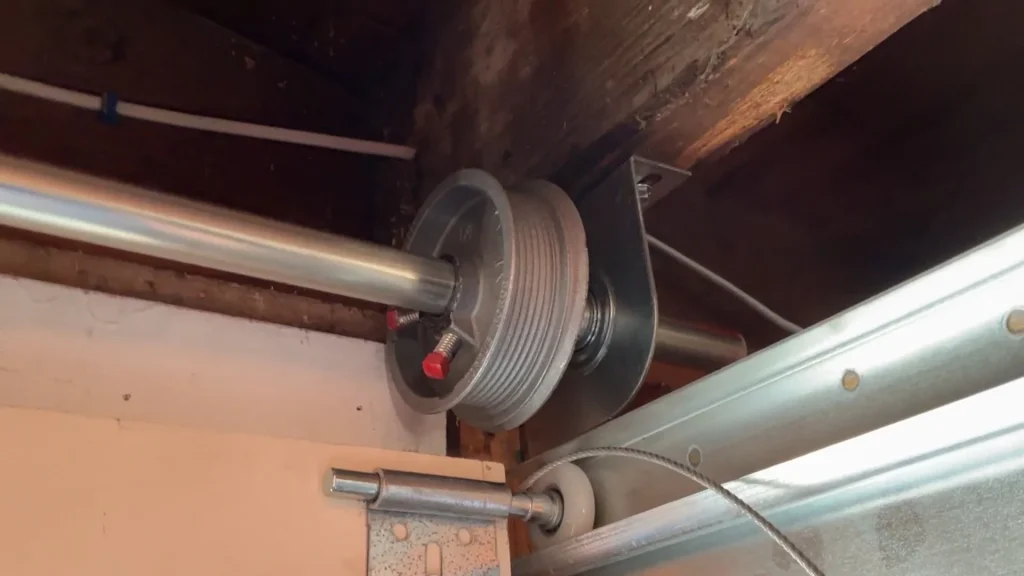
At the most basic level, cables transmit the energy stored in the springs to the door’s motion. As the springs wind and unwind, they rotate the drums, which pull the cables upward or allow them to unwind during closing.
Key mechanical functions of cables include:
- Carrying the lifting force generated by the springs
- Supporting a significant portion of the door’s weight
- Ensuring both sides of the door rise and lower evenly
- Maintaining vertical alignment within the tracks
- Preventing sudden drops during movement
Without properly functioning cables, the spring force cannot be applied evenly or safely.
Recognize the warning signs that signal garage door cable replacement should not be delayed to avoid safety risks by reading: Common Signs Garage Door Cable Replacement Should Not Be Delayed.
Why cables are designed to work under constant tension
Garage door cables are always under tension when the door is closed and dynamically loaded during movement. This continuous stress is intentional and necessary for controlled operation, but it also means cables experience ongoing wear.
Essential characteristics of cable design include:
- High tensile strength to handle repeated load cycles
- Flexibility to wrap smoothly around drums
- Resistance to stretching under normal conditions
- Compatibility with specific drum and spring systems
When any of these characteristics degrades over time, the entire system becomes increasingly unpredictable, creating safety hazards that could compromise the garage door’s functionality and reliability.
Learn how to select a qualified professional for garage door cable replacement to ensure safe, dependable results by reading: How to Choose a Qualified Professional for Garage Door Cable Replacement.
Why Garage Door Cables Fail Over Time
Cable failure is rarely the result of a single event. Instead, it is usually caused by cumulative wear, environmental factors, and system imbalance that build up over months or years. As garage door cables are subjected to constant tension and movement, they gradually deteriorate. This wear can be exacerbated by exposure to harsh weather, which can cause rust or corrosion and further compromise the cable’s integrity.
An imbalance in the garage door system can place undue stress on specific cables, leading to premature failure. Regular maintenance and inspections are essential to detect early signs of wear and ensure all components function properly. Understanding the factors that contribute to cable failure enables homeowners to take proactive steps to maintain their garage doors and enhance safety.
Gradual wear that weakens cable integrity
Every open-and-close cycle introduces friction, bending, and tension into the cable. Over time, individual strands within the cable begin to wear down, even if the cable looks intact at a glance.
Common contributors to gradual wear include:
- Repeated friction against drum grooves
- Minor misalignment is causing uneven loading
- Lack of lubrication increases surface wear
- High usage frequency beyond design expectations
This slow deterioration, which can affect the garage door’s overall functionality, is often unnoticed by homeowners until the point of failure is alarmingly close.
Environmental factors that accelerate cable damage
Cables are particularly vulnerable to environmental conditions, including moisture, dust, and temperature changes. Garages that are not climate-controlled create harsher conditions for metal components.
Environmental stressors often include:
- Rust caused by humidity or condensation
- Corrosion from road salt or chemicals
- Temperature fluctuations affecting metal strength
- Debris buildup is interfering with smooth movement
These factors can significantly reduce the lifespan of garage door cables, increasing the likelihood of an incident in which the cable goes off-track and poses serious safety risks.
How a Garage Door Cable Goes Off Track
A garage door cable off-track scenario is one of the most visible and dangerous cable-related failures. When cables become misaligned or detached from their tracks, the door may fall unexpectedly, posing a significant safety risk to anyone nearby. The mechanics involved in a garage door system are intricate, and the cables play a vital role in ensuring the door operates smoothly and safely.
In many cases, a garage door cable can become off-track due to wear and tear, improper installation, or damage from external factors. Regular maintenance and inspection of the cables can help prevent such issues. Homeowners should be vigilant and seek professional assistance if they notice any signs of malfunction, as addressing these problems promptly can prevent accidents and ensure the door functions properly.
Mechanical causes behind cables leaving the drum
Cables are designed to remain seated in the drum’s grooves under proper tension. When that tension becomes uneven or the guiding components fail, the cable can slip out of place.
Common causes include:
- Broken or weakening garage door springs
- Worn or damaged cable drums
- Sudden impact that shifts door alignment
- Improper adjustments were made during prior repairs
- Uneven cable wear between sides
Once a cable leaves the drum, the balance is lost almost instantly, which can lead to a variety of safety issues if not addressed promptly and properly.
Why does continued operation become dangerous
Even if the door still moves after a cable slips, its behavior is no longer controlled. One side of the door may carry more weight, increasing stress on remaining components.
Risks associated with continued use include:
- The door is binding or jamming in the tracks
- Increased chance of the door dropping suddenly
- Damage to panels, tracks, or the opener
- Accelerated wear on the remaining cable
- Loss of control during manual operation
At this point, the need for garage door cable repair or replacement shifts from a maintenance option to a critical safety issue that should not be overlooked.
The Serious Safety Risks Created by Cable Failure
Cable failure introduces risks that extend beyond mechanical inconvenience. Because cables help control large moving masses, their failure can result in sudden, forceful movement.
Physical safety hazards to people and pets
When cables fail, the door’s weight may no longer be distributed evenly, causing the door to move faster or with greater force than expected.
Safety hazards include:
- Sudden door drops that can cause injury
- Unpredictable movement during opening or closing
- Increased risk to children or pets near the door
- Difficulty stopping the door once it begins moving
These hazards persist even when the door appears partially functional and may not be immediately apparent to the untrained eye.
Property damage and structural risks
Cable failure also poses a risk to surrounding property, as vehicles, stored items, and even garage structural elements can be affected.
Common damage scenarios include:
- Vehicles struck by falling or tilting doors
- Track mounts are pulling away from the framing
- Panel deformation from uneven loading
- Opener damage due to overload
These risks can compound quickly and become more dangerous once the cables lose integrity, posing safety hazards that could affect not only the garage door’s functionality but also the well-being of nearby individuals.
Deciding Between Garage Door Cable Repair and Replacement
One of the most important decisions homeowners face is whether to repair or replace the garage door cables, which depends on the condition, age, and system behavior. Garage door cables are critical components of the door’s lifting mechanism, and their proper functioning is essential for the overall safety and efficiency of the garage door system. Over time, these cables can wear down due to constant use, exposure to the elements, or improper maintenance, posing hazards if not addressed promptly.
When assessing whether to repair or replace garage door cables, it’s crucial to inspect them regularly for signs of fraying, rust, or other damage. Homeowners should also consider the age of their garage door system, as older systems may require more frequent cable replacements. Making an informed decision about the cables can help prevent accidents and ensure that the garage door operates smoothly, providing peace of mind for the homeowner.
Situations where repair may still be appropriate
In limited cases, garage door cable repair can address minor issues before failure occurs. These situations typically involve early-stage wear and stable system alignment.
Repair may be appropriate when:
- Wear is superficial with no broken strands
- Cables are relatively new and corrosion-free
- Drums and springs are in good condition
- The cable has not come off track
- Door movement remains even and smooth
Even when a repair is necessary, it is important to approach the process conservatively, considering all potential risks and ensuring that safety measures are prioritized at every step.
Indicators that replacement is the safer option
Replacement becomes the safer, more reliable choice when structural integrity is compromised or the failure risk is elevated.
Replacement is generally necessary when:
- Multiple strands are frayed or broken
- Rust or corrosion is present along the cable
- A garage door cable off-track incident has occurred
- The door lifts unevenly despite adjustments
- Springs or drums are being replaced at the same time
Proactively replacing cables not only helps restore predictable functionality but also ensures the garage door system operates safely, which is essential for preventing accidents and maintaining the door’s overall integrity.
How Cable Failure Impacts the Entire Garage Door System
Cable issues rarely stay isolated. Once cables fail or weaken significantly, other components must compensate, often accelerating broader system damage.
Increased strain on springs and the opener
When cables do not distribute load evenly, springs and openers absorb uneven forces. This can shorten the lifespan of components that were otherwise functioning correctly.
Secondary effects include:
- Springs are experiencing uneven tension
- Openers are working harder to lift the door
- Increased vibration during operation
- Frequent need for force or limit adjustments
These changes often indicate that the system is operating outside safe limits, posing hazards if not addressed promptly.
Long-term consequences of delayed action
Delaying action after cable issues appear often leads to more complex repairs later. What starts as a cable problem can evolve into a full-system overhaul.
Long-term consequences may include:
- Premature opener failure
- Track realignment or replacement
- Panel damage from misalignment
- Higher overall repair costs
- Extended downtime without garage access
Early intervention through spring and cable safety tune-ups is crucial to effectively manage the associated risks and potential costs of garage door cable issues.
Why Awareness Matters More Than Emergency Response
Most homeowners encounter cable problems during an emergency rather than through planned maintenance. These issues often arise unexpectedly, leading to frustration and potential safety hazards. When a garage door cable malfunctions, it can impede the door’s operation, making it difficult or impossible to open or close. Shifting awareness earlier in the process creates better outcomes. By recognizing signs of wear or damage, homeowners can proactively address issues, ensuring the garage door operates smoothly and safely.
Regular inspections and maintenance, as highlighted by the International Door Association, can significantly reduce the likelihood of cable issues. Homeowners should familiarize themselves with the components of their garage door system, including the cables, to better understand how they function. Monitoring these elements and seeking professional assistance when needed enhances safety and extends the lifespan of the garage door system. Emphasizing preventive measures will not only safeguard the door’s operation but also provide homeowners with peace of mind.
Recognizing warning signs before failure
Cables often show warning signs well before breaking or coming off track, and noticing these indicators allows for timely evaluation.
Common early warnings include:
- Fraying is visible near the bottom of the door
- Uneven cable winding on drums
- New scraping or popping sounds
- Slight door tilt during movement
- Increased resistance during manual operation
These signals should prompt a thorough evaluation of the situation rather than continuing to use the garage door, as ignoring them could pose safety hazards.
Viewing replacement as prevention rather than reaction
Replacing cables before they fail is not merely an overreaction; it is fundamentally about ensuring system safety and reliability.
Benefits of proactive replacement include:
- Reduced risk of sudden failure
- More predictable scheduling
- Lower likelihood of secondary damage
- Improved daily reliability
A preventive mindset not only reduces disruption but also significantly lowers the risk associated with potential issues.
Ensuring Safe Operation With Cable Replacement
Garage door cables are essential to safe, controlled door operation, yet their importance is often underestimated until failure occurs. Understanding how cables work clarifies why issues such as a garage door cable off-track pose immediate safety risks. From gradual wear and environmental exposure to sudden slips and breaks, cable failure follows a predictable progression that homeowners can learn to recognize.
Automatic Garage Door Corporation delivers complete garage door solutions designed to support safety, reliability, and curb appeal. Services include opener repair, new garage door installation, and routine maintenance handled with care and precision. Strong community ties and technical expertise ensure consistent, high-quality results.
Contact us today or give us a call for expert garage door service in San Francisco.
Frequently Asked Questions
How do garage door cables work within the overall door system?
Garage door cables work with the springs to lift and lower the door in a controlled, balanced manner. We often see cables carrying significant tension as they guide the door evenly along both sides of the track. Their role is essential to maintaining stability and smooth movement throughout each cycle.
Why are garage door cables under so much tension?
Garage door cables transmit spring force to the door panels during operation. Since they help control the door’s weight, they remain under constant tension as the door moves, allowing it to lift evenly rather than shift or drop.
How do garage door cables wear out over time?
Cables gradually wear due to repeated tension, friction against drums, and exposure to moisture or debris. We find that fraying or corrosion often develops slowly and may not be immediately visible. Over time, this wear reduces the cable’s ability to safely support the door.
Why does cable failure create serious safety risks?
When a garage door cable fails, the door can lose balance instantly, often causing it to drop or tilt sharply to one side. This loss of control creates a serious risk of injury and property damage.
How does cable failure affect garage door balance?
Cables are responsible for lifting both sides of the door evenly. If one cable fails, the door becomes unbalanced and may jam or hang at an angle. This imbalance makes the door unsafe to operate and increases stress on other components.
Why does cable failure often damage other garage door parts?
When a cable breaks, the remaining components must absorb forces for which they were not designed. We find that springs, rollers, tracks, and the opener often experience sudden strain as a result. This can quickly turn a single failure into multiple repairs.
Can a garage door still operate after a cable begins to fail?
In some cases, a cable may partially fail while the door continues to move unevenly. We often see doors lifting crookedly or hesitating during operation at this stage. Continued use under these conditions dramatically increases the risk of complete failure.
Why is garage door cable failure difficult to predict without inspection?
Cable wear often develops internally, where it is difficult to see during everyday use. We find that corrosion or fraying can progress unnoticed until the cable reaches a breaking point. Regular inspection is the most reliable way to detect developing issues.
How does cable failure increase risk for people and vehicles?
A failing cable can cause the door to drop suddenly or shift without warning. We see this creates an immediate danger to anyone standing nearby or to vehicles parked beneath the door. These risks make cable issues a serious safety concern.
Why is professional repair critical when cable issues are suspected?
Garage door cables operate under high tension and require precise handling during replacement. We believe professional repair ensures cables are replaced safely and correctly while restoring proper balance. Properly addressing cable failures helps protect safety and long-term system performance. A diagram of a garage door cable torsion system in Angi enables you to understand how the cable and other components work.