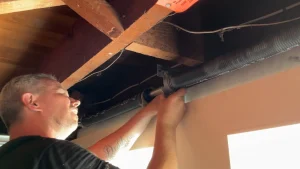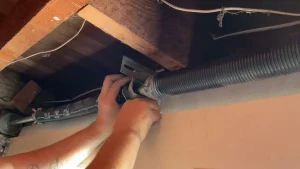


Most garage door springs break every 7 to 12 years. Standard springs are rated for about 10,000 cycles, which works out to roughly 7 to 9 years for an average household. In San Francisco, the salty coastal air and constant fog can speed up rust and shorten that lifespan, so many local doors see springs fail closer to the 7-year mark or sooner.
A garage door spring is one of those parts nobody thinks about until the morning it snaps. One loud bang from the garage, and suddenly the door will not budge. That heavy door relies on its springs to do almost all of the lifting, so when a spring goes, the whole system stops working. This is why a routine spring & cable safety tune-up is so valuable, since it catches early wear before it turns into a sudden breakdown.
This breaks down exactly how often springs break, what speeds up the damage, and how San Francisco’s unique weather plays a big role. The goal is to help homeowners spot trouble early and make smart choices, not to turn anyone into a spring repair technician. Springs hold a huge amount of tension and can cause serious injury, so the hands-on fix is best left to a trained pro.
8 Factors That Decide How Often a Garage Door Spring Breaks
1. Spring Type: Torsion vs. Extension
There are two main kinds of garage door springs, and they do not last the same amount of time.
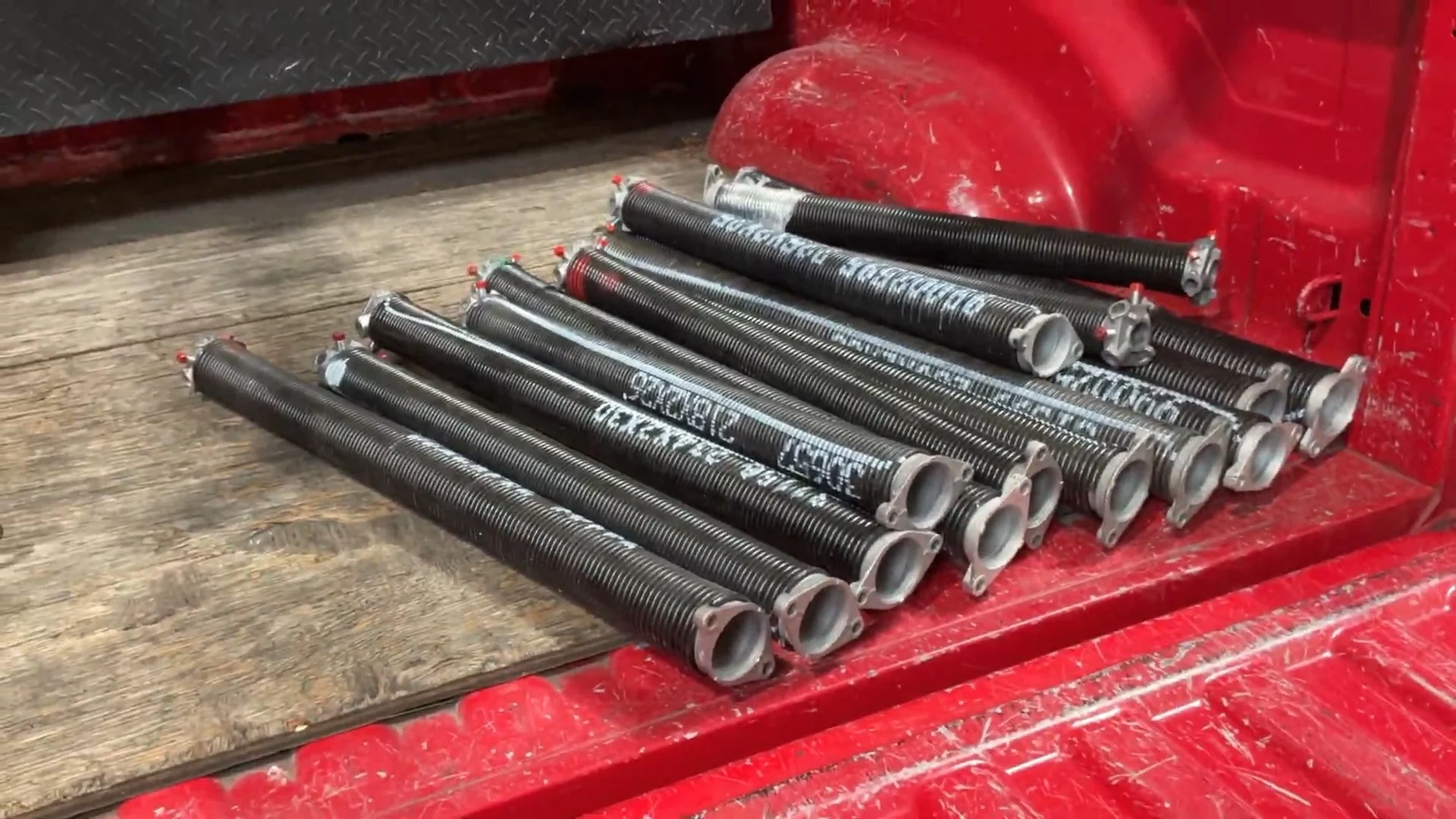
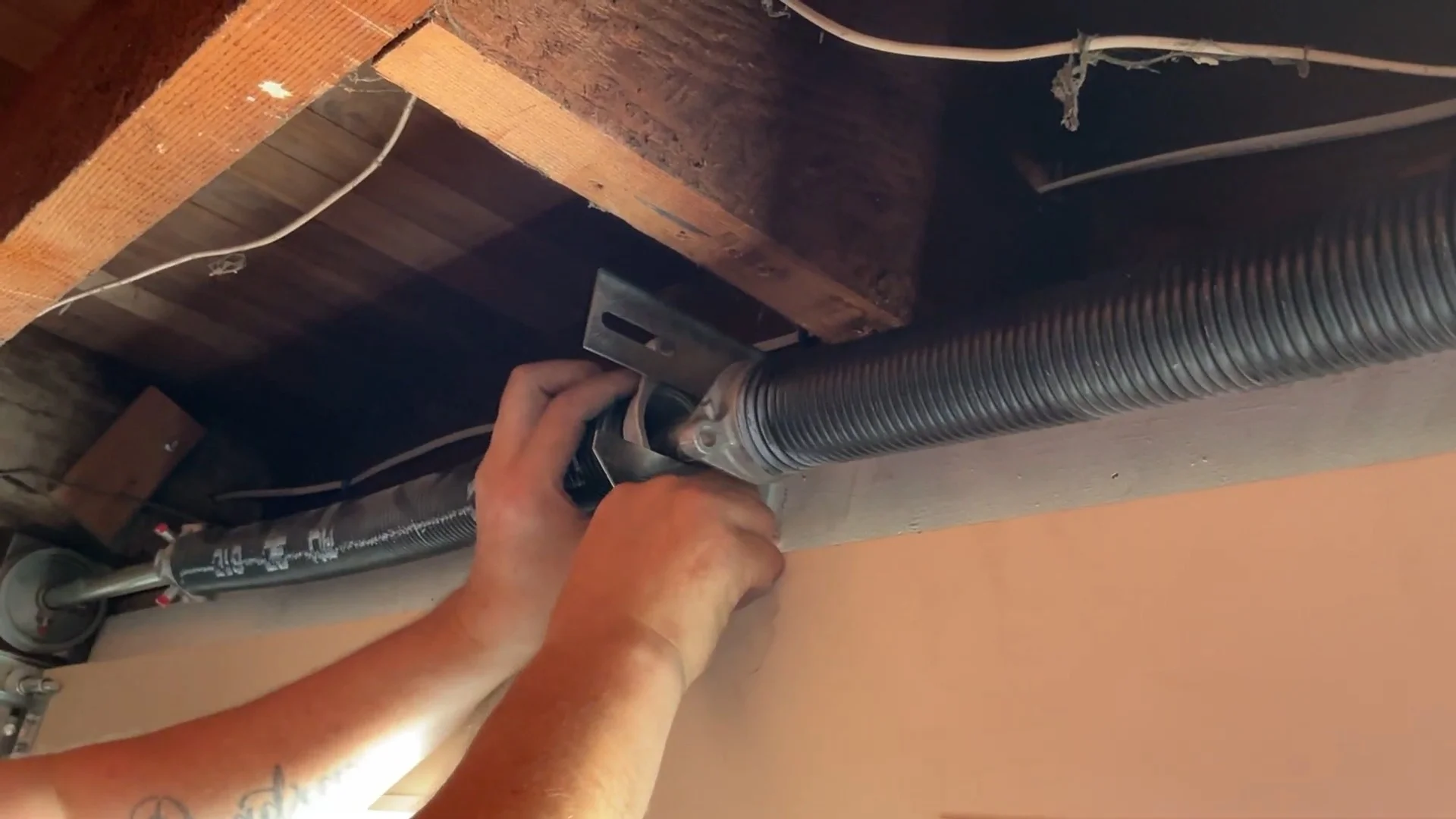
Torsion springs sit on a metal bar above the door and twist to create lifting power. They are sturdier and usually last longer, often 15,000 to 20,000 cycles on higher-quality versions.
Extension springs run along the tracks on each side of the door and stretch as the door moves. They tend to wear out faster and are more common on older garages.
Knowing which type a home has matters. Many older San Francisco homes in neighborhoods like the Sunset, Richmond, and Bernal Heights still use extension springs, which means those owners may face replacements a little more often.
For homeowners who want to get more life out of either type, the guide “How to Prevent a Garage Door Spring from Breaking“ walks through the habits that keep springs going strong.
2. Spring Cycle Life (The Real “Expiration Date”)
Springs are not measured in years. They are measured in cycles. One cycle equals the door going up once and coming down once.
A standard spring is rated for about 10,000 cycles. Higher-end springs can reach 20,000 or even 30,000 cycles. That rating is the closest thing a spring has to an expiration date.
Here is the simple math. If a door opens and closes four times a day, that is roughly 1,460 cycles a year. A 10,000-cycle spring would last around 7 years under that pattern. Open the door more often, and that timeline shrinks fast.
To understand what wears a spring down before it even reaches its cycle limit, take a look at “What Causes a Garage Door Spring Break?“ for a deeper breakdown.
3. How Many Times the Door Opens Each Day
Usage is the biggest controllable factor. A household that treats the garage as the main entrance puts far more stress on the springs than one that uses the front door most of the time.
Think about how often the door moves on a busy day: leaving for work, coming home for lunch, kids heading out, grocery runs, and weekend errands. In a packed San Francisco household where the garage doubles as the main way in and out, six to eight cycles a day is common. At that rate, a basic spring can wear out in just four to five years.
Curious whether the warning signs show up before a spring fully gives out? The article “Can You Spot a Garage Door Spring Break Early?“ covers exactly what to look and listen for.
4. San Francisco’s Salt Air and Fog
This is where local knowledge really matters. San Francisco sits right against the Pacific, and the marine layer brings moisture and salty air across much of the city almost every day. Homes near Ocean Beach, the Outer Sunset, and the Richmond District feel this the most.
Salt and moisture are the enemies of metal. They cause rust and tiny pits on the spring coils. Rust weakens the metal and creates friction, which makes the spring snap sooner than it would in a dry inland climate. A spring that might last 9 years in Sacramento could fail a year or two earlier in a foggy SF neighborhood near the coast.
This is why coastal garage doors need a little extra care. The same fog that keeps the city cool is quietly working against the hardware in the garage.
5. Door Weight and Balance
A heavier door makes springs work harder. Solid wood doors, popular in many classic San Francisco homes, weigh more than lightweight steel or aluminum doors. The heavier the door, the more tension the spring carries, and the faster it wears.
Balance matters too. A door that is out of balance forces the spring to fight against gravity unevenly. Over time, that uneven strain causes early failure. A properly balanced door should stay in place when lifted halfway by hand, though that test should be done with care and never with hands near the spring.
6. Maintenance and Lubrication Habits
Springs that are kept clean and lubricated last noticeably longer. A dry, rusty spring grinds against itself with every cycle, and that friction adds up.
Light maintenance every few months can stretch a spring’s life. The trick is using the right product. A silicone-based or garage-door-specific lubricant works well, while grease and household oils can attract dust and grime. In a foggy climate like San Francisco’s, regular lubrication also helps slow down rust.
7. Cheap or Wrong-Sized Springs
Not all springs are equal. Bargain springs made from lower-grade steel break much sooner, and a spring that is the wrong size for the door is a recipe for early failure.
This is a common problem when a previous repair was rushed or done on the cheap. A spring that does not match the door’s weight and height will carry the wrong amount of tension. That mismatch shortens its life and can make the door dangerous to operate. Quality and correct sizing almost always pay off in the long run.
8. Age of the Door and Hardware
Older springs are simply more likely to break, and so is older hardware. As cables, rollers, and bearings wear out, they put extra stress on the springs.
Many San Francisco homes are decades old, and some still have original garage hardware. When one part is worn, it drags down the rest of the system. A spring forced to work alongside tired cables and stiff rollers will not reach its full cycle rating.
Warning Signs a Spring Is About to Break
Springs rarely fail without a few hints. Watch for these:
- A loud bang from the garage, even if the door still seems to work
- The door feels much heavier than usual when opening
- The door opens a few inches then stops or jerks
- A visible gap in the coils of a torsion spring
- Crooked or uneven movement when the door goes up
- Loud squeaking, grinding, or scraping sounds
- The opener strains, struggles, or reverses on its own
Catching these signs early can prevent a full breakdown at the worst possible moment, like when a car is trapped inside before a morning commute across the Bay Bridge.
Simple Tips to Make Springs Last Longer in San Francisco
A few habits go a long way, especially in a coastal climate:
- Lubricate the springs and moving parts every three to four months using a garage-door-safe product.
- Wipe down hardware to remove salty residue and surface rust, particularly in homes near the ocean.
- Avoid slamming the door or using the opener as a way to force a stiff door.
- Test the door’s balance a couple of times a year, keeping hands well away from the springs.
- Keep tracks clear of dirt and debris so the door moves smoothly.
- Schedule a yearly tune-up with a professional to catch small problems early.
Consistent care will not make a spring last forever, but it can add years and prevent surprise failures.
What to Check (Safely) Before Calling a Pro
If the door stops working, a few safe observations can help describe the problem to a technician. None of these involve touching the spring.
- Look (do not touch) at the torsion spring above the door for a clear gap or break in the coils.
- Listen for whether the opener motor runs while the door stays still, which often points to a broken spring.
- Check whether the door is extremely heavy to lift by hand, a strong sign the spring is gone.
- Note any unusual sounds, the date of the last service, and the door’s age.
Sharing these details with a pro speeds up the visit and helps pinpoint the fix.
When to Call a Garage Door Professional in San Francisco
A broken spring is not a DIY job. Springs store enough tension to cause serious injury, and the right tools and training are required to swap them safely. The moment a spring snaps or shows a gap, the safest move is to stop using the door and call a licensed local technician.
A qualified San Francisco garage door company will also check the cables, rollers, and balance while replacing the spring. That full check matters in a coastal climate where rust can hide in more than one place. Hiring local also helps because the technician already understands how SF fog and salt air affect hardware across different neighborhoods.
Average Cost Expectations
Spring replacement costs depend on the spring type, the door size, and whether one or two springs need replacing. On average, replacing a single garage door spring falls into a moderate price range, while replacing a pair costs a bit more. Doors with high-cycle torsion springs cost more up front but often save money over time because they last far longer. A reputable company will explain the options and recommend springs that match the door and the local climate.
Keeping Your Garage Door Spring Healthy in the City
Most garage door springs break every 7 to 12 years, but San Francisco’s salty, foggy air can push that timeline earlier. The good news is that usage habits, regular maintenance, and quality springs all give homeowners real control over how long a spring lasts. When a spring finally does wear out, a timely spring replacement by a trusted local pro keeps the door safe and running smoothly. Spotting the warning signs early and calling for help at the first sign of trouble keeps the door reliable and ready for daily life in the city.
Trusted Garage Door Help in San Francisco
When a spring needs attention, it helps to work with a team that knows San Francisco’s coastal climate. Automatic Garage Door Corporation has years of experience helping local homeowners with spring replacement, safety checks, and tune-ups built to stand up to salty air and fog. The focus is always on safe, reliable work and honest advice. Contact us today or give us a call to keep your garage door working its best.