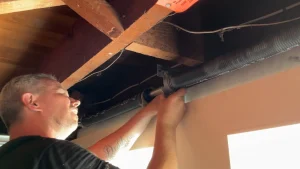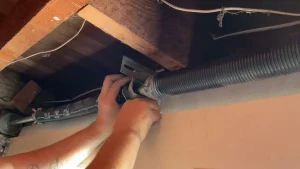


A garage door that jerks, grinds, or leaves a gap on one side can turn a simple morning into a stressful one. In many San Francisco homes, the garage sits right under the living space, so a noisy or stuck door gets noticed fast. The good news is that misaligned garage door tracks are one of the most common issues around, and yes, they can often be realigned safely when the job is handled the right way. A proper garage door track realignment restores smooth movement and protects the rest of the system from extra wear.
This guide breaks down what causes garage door track problems, how to spot them early, and what a safe fix really looks like. It is written for everyday homeowners, not mechanics, so the steps stay clear and easy to follow. Whether the issue calls for a simple check or a full garage door repair, knowing the basics helps every homeowner make a confident decision.
Quick Answer for Busy San Francisco Homeowners
Yes, garage door tracks can be realigned safely, but only minor issues should be checked at home, and the actual garage door track adjustment is best left to a trained technician. The tracks work together with heavy springs and cables that hold serious tension. A small mistake near those parts can cause injury or damage the door. Safe garage door track alignment means knowing what to look at, what to avoid touching, and when to bring in a pro.
For a closer look at the early warning signs, check out the guide “How to Tell If Garage Door Tracks Are Misaligned.“
What Is Garage Door Track Alignment?
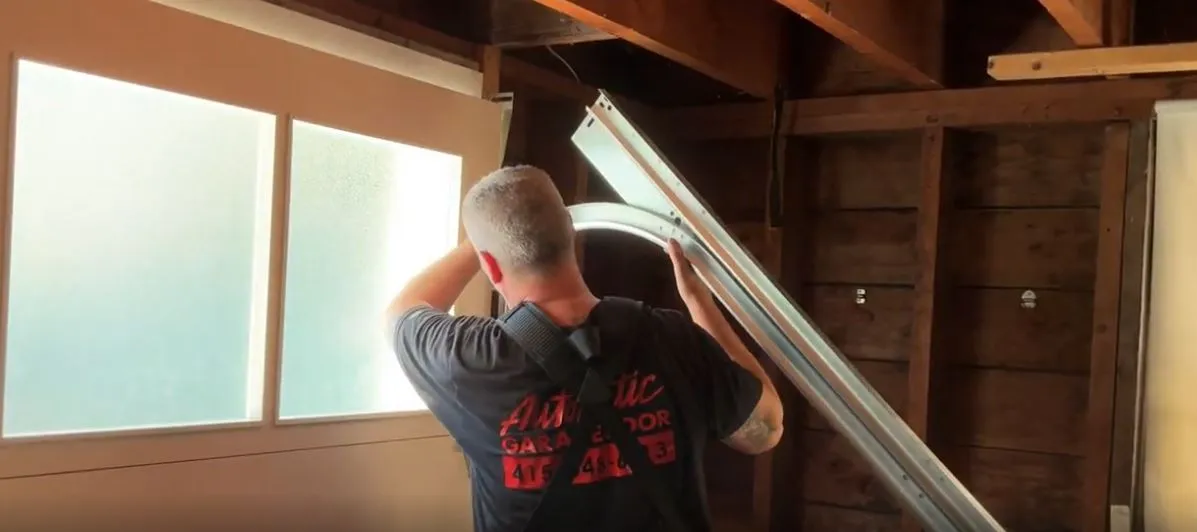
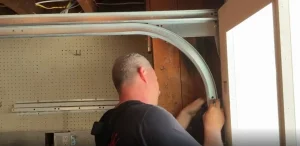
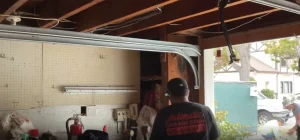
So what is garage door track alignment, exactly? It is the correct positioning of the metal rails that guide the door up and down. A typical setup has vertical tracks on each side near the floor and horizontal tracks that curve back along the ceiling. The rollers on the edges of the door sit inside these tracks and glide as the door moves.
When everything lines up, the door travels smoothly and quietly. When the tracks shift even a little, the rollers rub, bind, or pop loose. Understanding what is garage door track alignment helps a homeowner explain the problem clearly when calling for help, and it makes the whole repair process less confusing.
To put it simply, what is garage door track alignment in daily life? It is the difference between a door that closes evenly and one that tilts, sticks, or slams. Good garage door track alignment keeps the rollers centered, the gaps even, and the motor working without strain. Poor garage door track alignment forces every other part to work harder, which shortens the life of the whole system. That is why knowing what is garage door track alignment matters even for people who never plan to touch a tool.
To understand why the rails drift in the first place, take a look at the article “What Causes Garage Door Tracks to Come Loose?“
7 Signs You Have Misaligned Garage Door Tracks
Catching misaligned garage door tracks early can save a lot of money and hassle. Watch for these warning signs:
- Grinding or scraping noise. A rubbing sound often means the rollers are pressing against bent or shifted garage door tracks.
- Uneven closing. If one side touches the floor before the other, misaligned garage door tracks are a likely cause.
- Visible gaps. A space between the roller and the rail is a classic sign of garage door track problems.
- Door slows or stalls. A door that pauses or struggles at the same spot each time may be catching on a track.
- Shaking or wobbling. Extra movement as the door travels points to loose brackets or misaligned garage door tracks.
- Bent or dented rails. A bump from a car or bike can knock the tracks out of line.
- Door coming off track. This is the most serious symptom and means the situation has gone past simple garage door track adjustment.
Spotting even one of these early gives a homeowner a real advantage. Many garage door track problems start small and grow, so acting quickly keeps repairs simple. Ignoring misaligned garage door tracks, on the other hand, often turns a quick garage door track adjustment into a bigger garage door track repair later on.
Since bent rails made the list, it is worth reading “Are Bent Garage Door Tracks a Safety Risk?” to understand how serious that damage can become.
What Causes Garage Door Track Problems in San Francisco Homes?
San Francisco brings its own set of challenges. The mix of coastal air, morning fog, and salty moisture can speed up rust on metal garage door tracks and hardware. Rust makes rollers stick and bolts loosen, which slowly leads to garage door track problems.
Older homes across neighborhoods like the Sunset, Richmond, and Bernal Heights often have garage doors that have been in place for decades. Years of daily use loosen the mounting bolts and let the tracks drift out of line. Add in the region’s occasional ground movement, and it is easy to see why misaligned garage door tracks show up so often here.
Other common causes include:
- A car or bike bumping the track. Even a light tap can bend the lower section.
- Worn or dirty rollers. Grime and debris build up and throw off garage door track alignment.
- Loose hardware. Vibration over time backs out the bolts that hold the rails steady.
- Skipped maintenance. Without regular checks, small garage door track problems go unnoticed until the door fails.
Because of the local climate, many San Francisco pros recommend a maintenance check at least once a year. Salt air is tough on metal, and staying ahead of rust is one of the best ways to protect garage door track alignment for the long haul.
How to Check Garage Door Track Alignment (Safe Visual Checks Only)
Learning how to check garage door track alignment at home is smart, as long as it stays to looking and listening rather than adjusting. Here is how to check garage door track alignment without putting anyone at risk:
- Watch the door move. Stand a safe distance away and watch a full open and close. Look for wobbling, pausing, or tilting.
- Look for gaps. With the door closed, check whether the rollers sit snugly inside the tracks or whether there is a visible space.
- Inspect the rails by eye. Scan the vertical and horizontal tracks for bends, dents, or rust spots.
- Listen closely. Grinding or squealing points to a roller rubbing against a shifted track.
- Check the brackets. See whether any mounting brackets look loose or crooked, but do not loosen or tighten them.
Knowing how to check garage door track alignment this way helps a homeowner describe the issue accurately. That said, how to check garage door track alignment safely means keeping hands off the springs, cables, and bolts. Those parts hold heavy tension. A proper how to check garage door track alignment routine is about observing, not repairing. When someone learns how to check garage door track alignment and then spots a clear problem, the next step is a call to a professional, not a wrench.
Can Garage Door Tracks Be Realigned Safely? Here Is the Honest Answer
Yes, but with a big note attached. Minor garage door track adjustment on a lightweight door with loose bolts is sometimes manageable for a very handy person. However, most cases involve springs and cables under high tension, and that is where the real danger lives. A garage door spring can release with enough force to cause serious injury.
Safe garage door track alignment depends on the right tools, the right technique, and respect for how the whole system works together. A trained technician knows how the tracks, rollers, springs, and cables interact, so the fix holds up over time. Attempting a full garage door track repair without that knowledge often makes the problem worse and can void a warranty. The honest answer is that garage door tracks can be realigned safely, and the safest path for most homeowners is professional help.
How to Align Garage Door Tracks: What the Process Involves
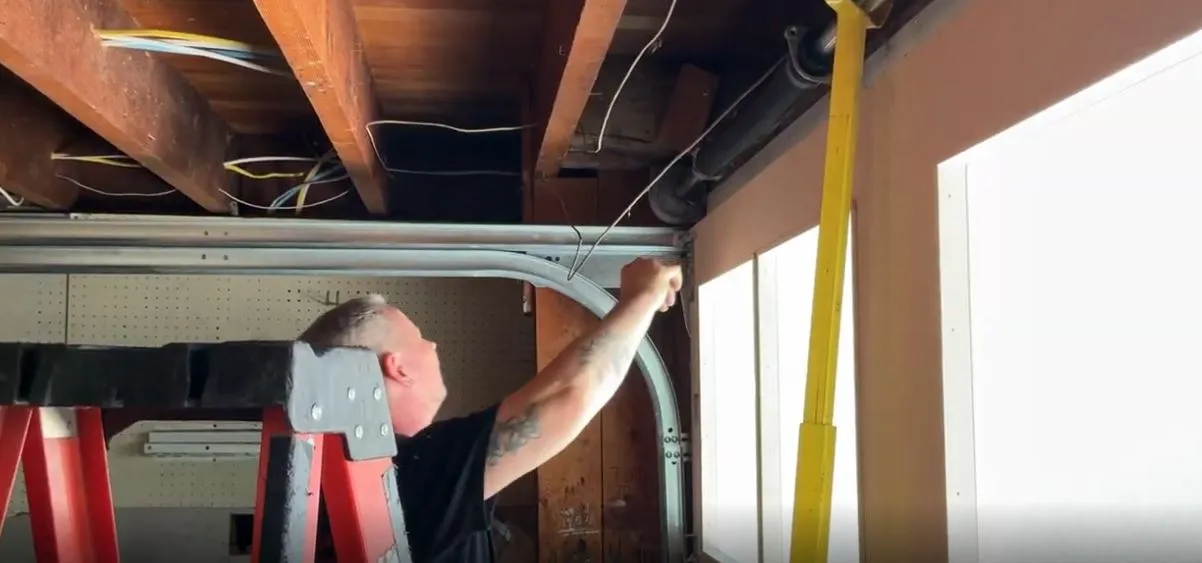
Homeowners often want to understand how to align garage door tracks even if they plan to hire someone. Knowing the process builds trust and helps spot a quality job. Here is a general look at how to align garage door tracks, described so it stays educational rather than a full repair manual.
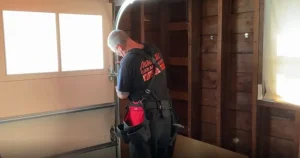
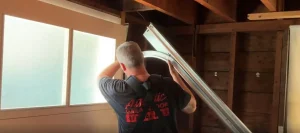
A technician usually starts by loosening the track mounting bolts just enough to allow movement. Next comes gently nudging the rail back into its correct position while checking the gap against the roller. A level is used to confirm the vertical track is straight and the horizontal track has the right slope. Once everything lines up, the bolts get tightened in the proper order, and the door is tested through several cycles.
Understanding how to align garage door tracks this way shows why the job takes skill. Get the slope wrong, and the door will not close evenly. Overtighten a bolt, and the rail can warp. That is why how to align garage door tracks is treated as precise work rather than a quick tweak. A pro learns how to align garage door tracks through training and hands-on experience, and that experience is exactly what keeps the repair safe and lasting. Anyone researching how to align garage door tracks should view it as insight into the process, not a green light to handle high-tension parts alone.
Garage Door Track Repair vs. Garage Door Track Adjustment: What Is the Difference?
These two terms sound alike but mean different things. A garage door track adjustment is a smaller fix, such as nudging a slightly shifted rail back into place or tightening a loose bracket. It handles minor garage door track problems before they grow.
A garage door track repair is a bigger job. It may involve replacing a bent section, fixing a track the door has come off of, or correcting damage from an impact. When someone searches for garage door track repair, the situation is usually more serious than a simple adjustment.
Knowing the difference helps a homeowner set expectations. A quick garage door track adjustment often takes less time and costs less. A full garage door track repair may need new parts and more labor. Both should end with a smooth, quiet, evenly closing door. If a technician recommends a garage door track repair when the issue seems minor, it is fair to ask why, and a trustworthy pro will explain clearly. Many providers offer both garage door track repair and garage door track adjustment, so it helps to describe the symptoms up front.
Average Cost of Garage Door Track Repair in San Francisco
Pricing varies with the size of the job and the parts involved. On average, a simple garage door track adjustment tends to fall in the lower range, since it usually means realigning and tightening without new materials. A more involved garage door track repair, such as replacing a bent track section, lands in a higher average range because of parts and extra labor.
San Francisco labor rates run a bit above the national average, which reflects the local cost of doing business. Getting a written estimate before work begins is always wise. A good technician will inspect the door, explain whether the fix is an adjustment or a full repair, and give a clear average cost so there are no surprises. Comparing a couple of local quotes is a smart move, and be cautious of any price that seems far below the rest, since garage door track repair done poorly rarely lasts.
6 Tips to Prevent Garage Door Track Problems
A little care goes a long way. These habits help protect garage door track alignment and cut down on future repairs:
- Keep the tracks clean. Wipe away dust and debris so rollers glide freely and garage door track alignment stays true.
- Watch for rust. In the damp San Francisco climate, check the metal often and address rust early to avoid garage door track problems.
- Listen every week. New grinding or squealing is an early clue that misaligned garage door tracks may be forming.
- Avoid bumping the rails. Park with a little extra room so a car door or bumper never taps the tracks.
- Schedule a yearly checkup. A pro can catch loose bolts and small shifts before they need a full garage door track repair.
- Do not force a stuck door. Forcing it can bend the rails and make garage door track problems worse.
Following even a few of these tips keeps garage door track alignment strong and helps the whole system last longer. Prevention almost always costs less than repair.
When to Call a San Francisco Garage Door Pro
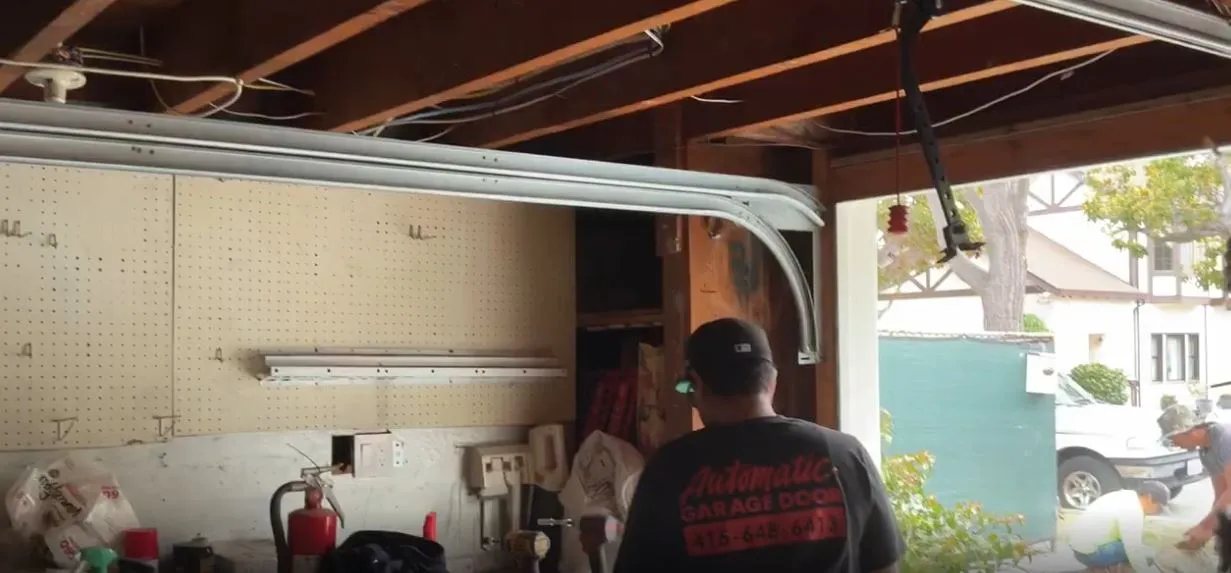
Some situations call for a professional right away. Reach out if the door has come off the tracks, if a rail looks clearly bent, if the door refuses to open or close, or if grinding continues after a basic cleaning. These signs point to garage door track problems that go beyond a safe do-it-yourself check.
A local technician who knows San Francisco homes understands how the coastal climate affects hardware and can recommend the right fix, whether that is a garage door track adjustment or a full garage door track repair. Choosing a licensed, insured, and well-reviewed provider protects both the home and the people in it. The peace of mind that comes from safe, correct work is well worth it.
Trust the Basics, Trust a San Francisco Pro
Can garage door tracks be realigned safely? Yes, and understanding the basics puts a homeowner in a strong position. Learning what is garage door track alignment, knowing how to check garage door track alignment by sight, and recognizing the signs of misaligned garage door tracks all help catch problems early. When it comes to the actual garage door track adjustment or garage door track repair, though, the safest and smartest choice is a trained San Francisco professional. A skilled technician can also handle related work, from a garage door track realignment to a weatherstripping service that seals out fog and moisture, or a garage door cable replacement when the hardware wears down. A little prevention and the right help, along with timely garage door repair when needed, keep the door moving smoothly for years.
Your Trusted Garage Door Team in San Francisco
Automatic Garage Door Corporation has proudly served San Francisco homeowners with reliable, honest, and skilled garage door service. Our team brings years of hands-on experience to every job, from a simple garage door track adjustment to a complete garage door track repair, and treats each home with the same care and attention it would give its own. Knowing the local climate and the unique needs of Bay Area homes, the crew delivers safe, lasting results that keep garage doors running smoothly. Contact us today or give us a call to schedule a friendly inspection and let a trusted local pro get your garage door back on track.