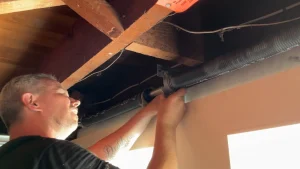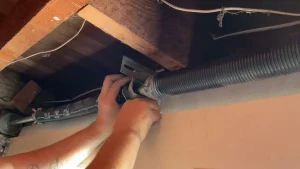


A garage door spring rarely fails out of nowhere. It usually drops hints for weeks, sometimes months, before it finally gives out. The problem is that most homeowners miss those hints until the morning the door refuses to budge and the car is trapped inside.
The good news? Spotting a spring problem early is very possible once you know what to look and listen for. Catching it early can mean the difference between a quick, planned repair and a stressful emergency, possibly with a damaged door or an injury involved. A simple spring & cable safety tune-up can also catch trouble long before it turns into a breakdown.
Garage door technicians across San Francisco see the same pattern again and again. The springs in this city tend to wear faster than in drier inland areas. Coastal fog, salty ocean air, and year-round humidity all speed up rust and metal fatigue. Add in the older homes scattered across neighborhoods like the Sunset, Richmond, and Noe Valley, many with garage doors that have not been serviced in decades, and the result is a city full of springs working overtime.
Here is exactly how to tell if your garage door spring is about to break, what to check, and how to stay ahead of the problem.
What Does a Garage Door Spring Actually Do?
Before the warning signs make sense, it helps to understand the job these springs do.
A garage door is heavy, often weighing between 150 and 350 pounds. The opener motor does not actually lift all that weight. The springs do. They store tension and use it to counterbalance the door, making it light enough for the motor (or a person) to raise with ease.
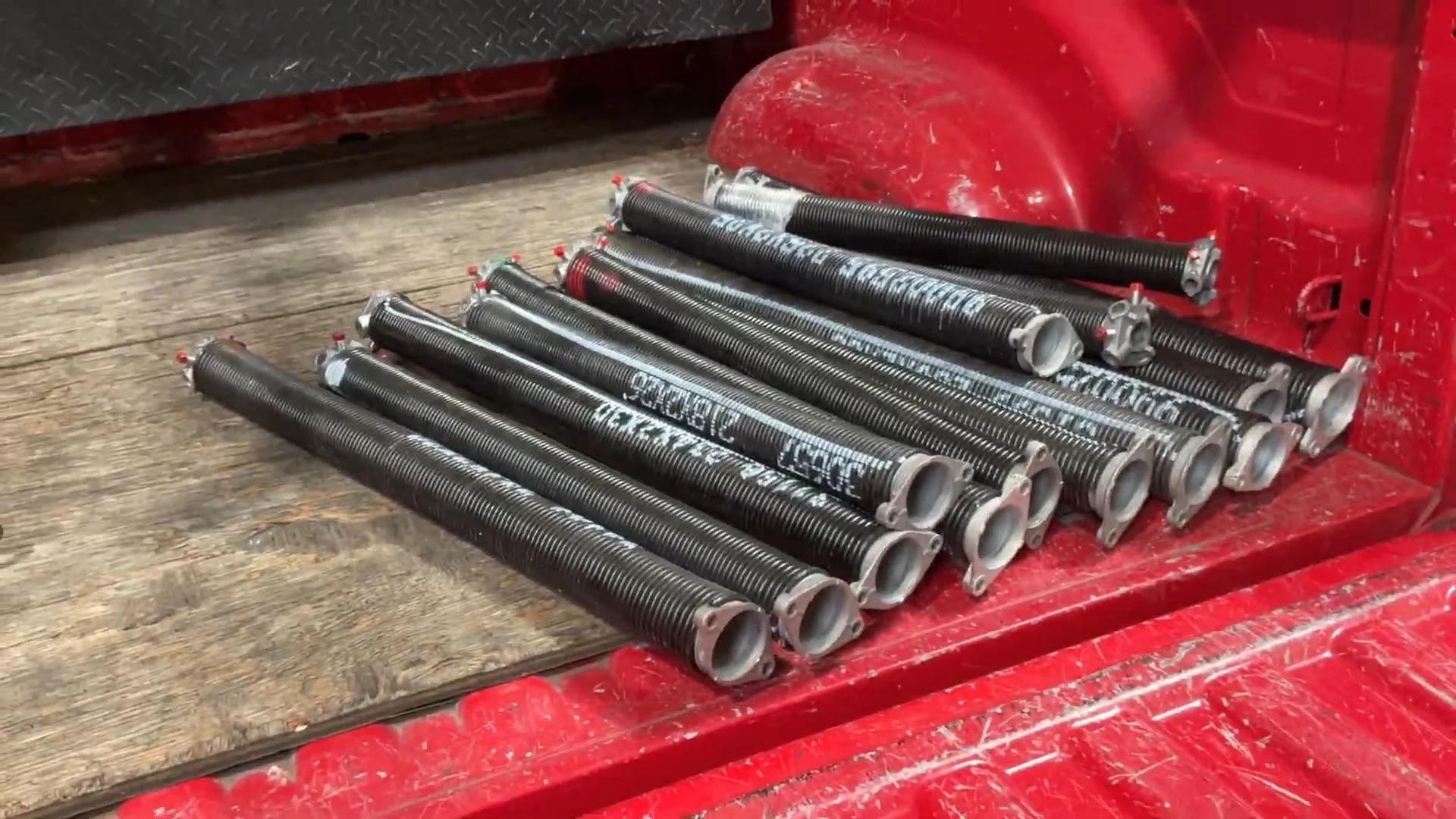
There are two main types. Torsion springs sit on a metal bar above the door and twist to create lifting force. Extension springs run along the horizontal tracks on each side and stretch to do the same job. Most modern San Francisco homes use torsion springs because they last longer and operate more smoothly.
Every spring has a lifespan measured in cycles. One cycle equals one open and one close. A standard spring is rated for around 10,000 cycles, which works out to roughly seven to nine years for an average household. A busy family that opens the door six or more times a day can burn through that lifespan much faster.
Once a spring nears the end of its life, the signs start showing up. Here is what to watch for.
Want to make those springs last as long as possible? The guide “How to Prevent a Garage Door Spring from Breaking“ walks through every step worth taking.
The Door Suddenly Feels Heavy or Hard to Lift by Hand
This is the single most reliable early warning sign.
A healthy spring keeps the door balanced so it feels almost weightless when lifted manually. If the door suddenly feels like it weighs a ton, or the opener seems to be straining to do all the work, the spring is losing its tension.
Try this safe test: with the door fully closed and the opener disconnected (most have a red emergency release cord), lift the door by hand about halfway. A balanced door should stay roughly in place. If it slams down hard or feels impossible to move, the spring is weakening or already partially failed.
Curious why springs lose tension in the first place? The article “What Causes a Garage Door Spring Break?“ breaks down the most common reasons.
You Hear a Loud Bang or Snap From the Garage
A breaking torsion spring releases a huge amount of stored energy all at once. When it goes, it often makes a sound like a firecracker or a gunshot.
Plenty of San Francisco homeowners report hearing a loud bang from the garage and assuming someone slammed a door or something fell off a shelf. Hours or days later, the garage door stops working. That bang was the spring snapping.
If a sharp noise comes from the garage with no obvious cause, inspect the springs as soon as it is safe to do so.
Wondering how common this really is? The post “How Often Does a Garage Door Spring Break?“ puts the numbers in perspective.
There’s a Visible Gap in the Torsion Spring
This sign is easy to spot once the door is closed.
A torsion spring is a tightly wound coil. When it breaks, it usually separates into two pieces with a clear gap of an inch or two between them. A healthy spring looks like one continuous, tight coil from end to end.
Stand inside the garage, look up at the bar above the door, and check for any split or gap in the spring. A separated spring confirms the break. A spring that looks stretched, thin, or unevenly spaced in spots is a strong hint that failure is coming.
The Door Opens Crooked or Hangs Unevenly
When one of two springs starts to fail, the door loses balance. One side lifts faster than the other, so the door looks tilted or crooked as it moves.
A door that hangs at an angle, jerks to one side, or appears off-track is putting extra strain on the opener, the cables, and the remaining good spring. Ignoring it usually leads to a full break, and sometimes to a door that comes off its tracks entirely.
The Garage Door Opener Struggles or Strains
The opener and the springs work as a team. When the springs weaken, the opener has to pick up the slack, which it is not designed to do.
Listen for a motor that grinds, hums harder than usual, or sounds like it is working overtime. Watch for a door that hesitates or moves slower than it used to. These are signs the springs are no longer carrying their share of the load. Running an opener under that kind of stress for too long can burn out the motor, turning one repair into two.
The Door Slams Shut or Drops Too Fast
A door with healthy springs lowers in a smooth, controlled way. A door with a failing spring often drops faster than normal or slams the last foot or two with a hard thud.
This is more than annoying. It is a safety hazard. A door that drops with force can damage anything underneath it and poses a real risk to children and pets. Fast, jerky closing almost always points back to a spring that has lost its grip.
You Spot Rust, Stretching, or Wear on the Spring
This sign matters more in San Francisco than almost anywhere else.
The city’s damp, salty coastal air is hard on metal. Moisture settles into the spring coils and triggers rust, which weakens the steel and shortens the spring’s life well before its cycle rating runs out. Homes closer to the ocean, in the Outer Sunset or out by Ocean Beach, tend to see this happen even faster.
Take a close look at the spring. Surface rust, flaking, gaps between coils that should be tight, or a spring that looks stretched out are all signs of wear. Catching rust early gives a chance to act before the spring snaps without warning.
The Cables Look Loose, Frayed, or Hanging
The springs and cables work hand in hand. When a spring fails or loses tension, the cables often go slack, slip off their drums, or start to fray.
Look at the cables running along both sides of the door. They should be taut and seated properly. A cable that hangs loose, looks frayed like an old shoelace, or has slipped out of place is a red flag that the spring system is no longer working the way it should.
A quick safety note: cables are under tension and can be dangerous. Looking is fine. Touching, adjusting, or pulling on them is not a do-it-yourself task.
The Door Stops Partway and Won’t Go All the Way Up
A door that rises a foot or two and then stops, or one that opens partway and reverses, is often a spring problem.
Without enough spring tension, the opener simply cannot lift the full weight of the door. It gets partway, hits its limit, and gives up. While this can sometimes point to a sensor or track issue, a weak or broken spring is one of the most common culprits, especially when combined with any of the other signs on this list.
What to Check Around Your San Francisco Home (Safely)
A quick monthly look-over takes only a few minutes and can catch problems early. Here is a safe checklist:
- Listen during each open and close for new bangs, grinding, or squeaks.
- Watch the door move and note whether it travels evenly and smoothly.
- Glance up at the torsion spring for gaps, rust, or stretching.
- Check the cables on both sides for slack or fraying.
- Do the balance test with the opener disconnected, lifting the door halfway by hand.
Looking and listening are perfectly safe. The moment hands-on adjustment, tools, or tension are involved, it becomes a job for a trained technician.
How to Avoid an Early Spring Break
Springs will not last forever, but the right habits can stretch their lifespan and prevent surprise failures.
- Lubricate the springs a few times a year. A light coat of garage-door-rated lubricant on the coils cuts friction and helps fight the rust that San Francisco’s coastal air loves to create. Avoid heavy grease, which collects grit.
- Schedule a professional tune-up once a year. A technician can measure spring tension, balance the door, and spot wear long before it turns into a break. In a humid coastal city, an annual check is one of the smartest moves a homeowner can make.
- Pay attention to the cycle count. A door used many times a day wears out faster. Households with heavy use should consider asking about high-cycle springs, which are built to last far longer.
- Address rust early. If surface rust shows up, get it inspected rather than waiting. Rust only spreads, and a corroded spring can fail far ahead of schedule.
- Replace springs in pairs. When one spring of a two-spring system goes, the other is usually close behind. Replacing both at once saves a second service call and keeps the door balanced.
What to Do If You Spot the Signs
Noticing one or more of these warning signs calls for a calm, careful response.
- First, stop using the door if a spring looks broken or the door feels dangerously heavy. Forcing it can damage the opener, snap a cable, or cause the door to fall.
- Second, disconnect the opener using the emergency release cord so the motor is not fighting a broken spring.
- Third, call a licensed local garage door technician. As for cost, spring replacement is one of the more affordable garage door repairs. The average cost is modest compared to replacing an entire door or repairing a motor that burned out from overwork, which is exactly why catching the problem early pays off.
Why Spring Repair Is a Job for the Pros
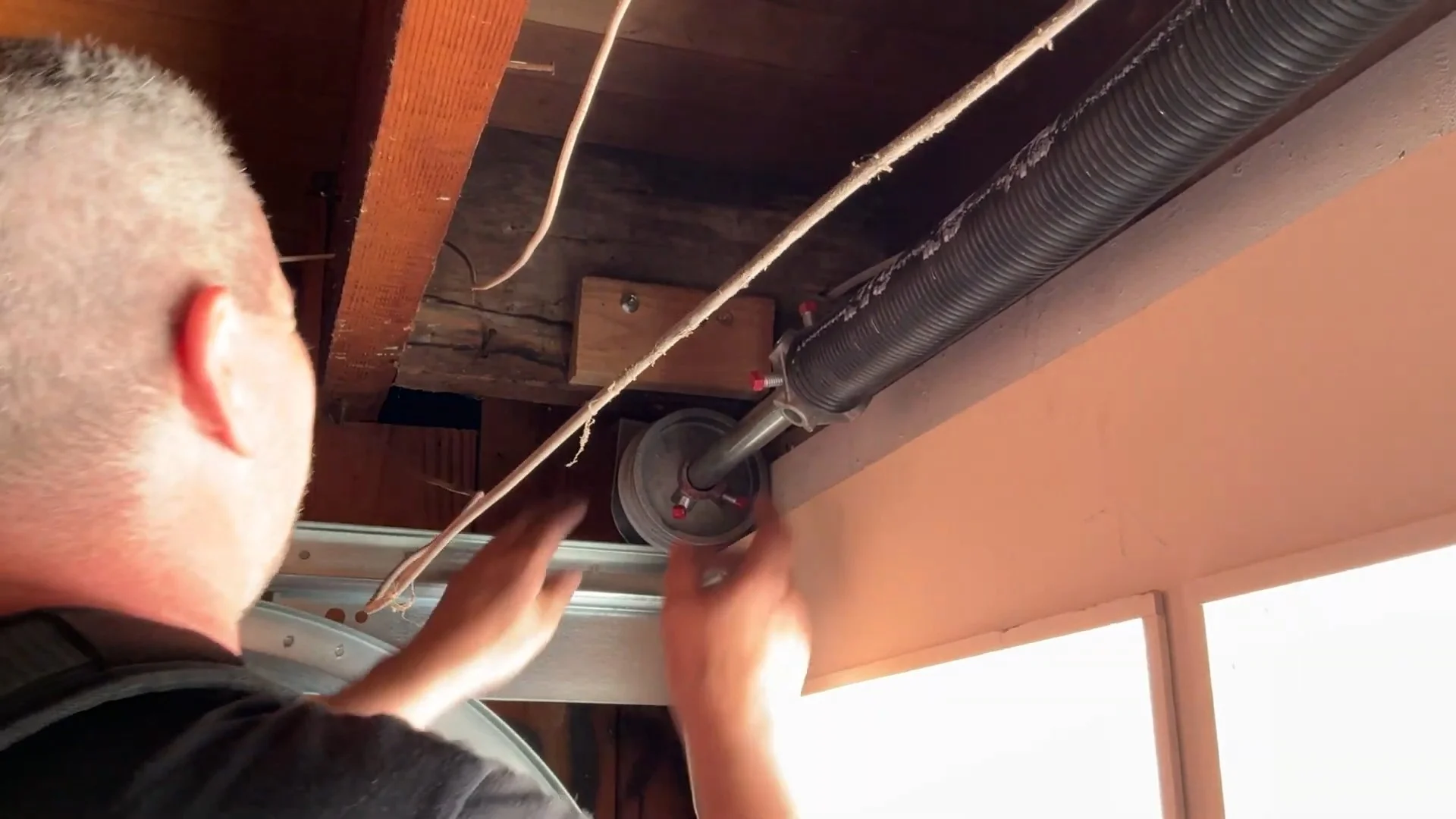
It is worth being direct about this part. Garage door springs are under extreme tension, enough to cause serious injury or worse if they release while being handled without the right tools and training.
Every year, well-meaning homeowners are hurt trying to swap a spring after watching a video. Professional technicians use winding bars, follow strict safety steps, and know how to release and set tension correctly. This guide is meant to help spot problems early, not to walk through a repair, because a spring replacement done wrong is genuinely dangerous.
The smart play is simple: learn the warning signs, do the safe visual checks, and bring in a qualified San Francisco garage door professional for anything hands-on.
Stay Alert and Stay Ahead of a Spring Break
A garage door spring almost always warns before it breaks. A door that feels heavy, a loud bang from the garage, a gap in the coil, rust on the metal, slack cables, or a door that opens crooked are all signals worth taking seriously.
San Francisco’s foggy, salty climate makes these springs work harder and rust faster, so staying alert matters even more here than in most cities. A few minutes of looking and listening each month, a yearly tune-up, and a quick call to a pro at the first warning sign can prevent a frustrating breakdown and keep the door running safely for years. Acting early often means a simple spring replacement instead of a far bigger repair.
The car will thank you the next morning it actually makes it out of the garage.
Trusted Garage Door Help in San Francisco
When a spring shows warning signs, having a reliable local team on call makes all the difference. Automatic Garage Door Corporation is known across San Francisco for fast, honest service, with technicians who understand how the city’s coastal climate affects springs. From safety inspections to full spring replacements, the goal stays the same: keeping your door running safely. Do not wait for a spring to break and trap the car inside. Contact us today or give us a call to schedule a service.