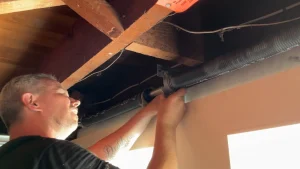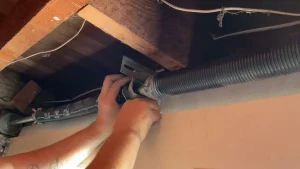


A garage door manual release is a safety feature that lets the door open or close manually during a power outage or when the opener stops working. It is usually the red emergency cord hanging from the garage door opener rail.
When the garage door manual release gets stuck, the door may not disconnect from the opener, making it difficult to move manually. This problem is often caused by tension in the door system, worn parts, or alignment issues.
In San Francisco, CA, coastal moisture and changing temperatures can also affect garage door components over time. Knowing the possible causes can help determine what to check and when a professional garage door service or inspection may be needed.
The Garage Door Is Under Too Much Tension
One common reason a garage door manual release will not disengage is excessive tension within the garage door system.
Garage doors are balanced using torsion springs or extension springs. These springs carry most of the door’s weight, making it easier for the opener to lift and lower the door. When the door is in certain positions, tension may build up in the system.
If the door is fully closed or slightly jammed, the opener and spring system may hold pressure on the trolley mechanism. This pressure can prevent the manual release lever from disengaging smoothly.
What to Check
Look at the position of the door before attempting to pull the emergency release cord.
Things to observe include:
- Whether the garage door is fully closed
- If the opener appears to be holding the door tightly
- Whether the release cord feels extremely tight when pulled
Attempting to disengage the manual release while the door is under tension may make the handle feel stuck.
Tip to Help Prevent the Problem
Regular garage door spring inspections can help ensure the system remains properly balanced. Balanced springs reduce stress on the opener and allow the manual release to operate more smoothly.
For a deeper explanation of common causes, read the related guide Why Is My Garage Door Manual Release Not Working?.
The Emergency Release Cord Is Worn or Tangled
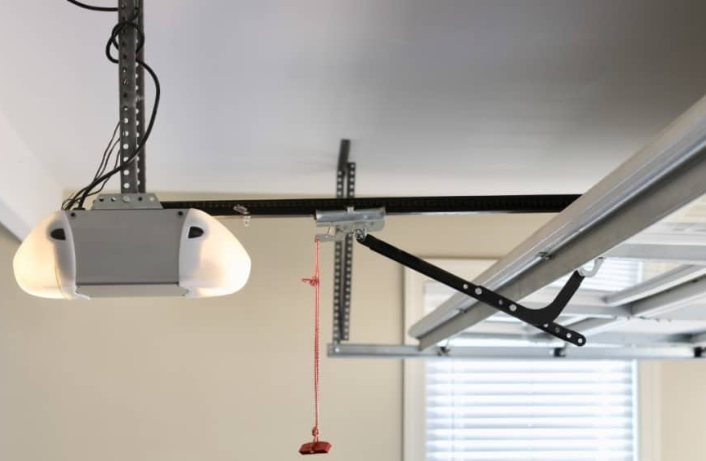
The emergency release cord connects directly to the internal release lever inside the opener trolley. When the handle is pulled, the cord activates a mechanism that disconnects the door from the automatic opener.
Over time, the cord may become twisted, tangled, or worn. When this happens, the release mechanism may not move correctly.
Signs the Cord May Be Causing the Problem
Some common indicators include:
- The cord appears wrapped around the opener rail
- The release handle pulls, but nothing happens
- The cord looks frayed or damaged
If the cord becomes tangled around other components, the release mechanism may not move fully.
What to Check
Inspect the cord carefully to ensure it hangs freely and is not wrapped around the opener rail or other hardware.
Prevention Tip
Checking the garage door emergency release cord during routine maintenance can help ensure it remains accessible and functional.
To better understand the mechanism behind it, explore the guide How Does a Garage Door Manual Release Work?.
The Garage Door Opener Trolley Is Jammed
Inside the opener rail is a moving part known as the trolley carriage. This component connects the garage door opener to the door itself.
When the emergency release cord is pulled, the trolley disconnects from the opener so the door can be moved manually.
If the trolley becomes jammed along the rail, the manual release may not disengage properly.
Possible Causes of a Jammed Trolley
Several issues may affect the trolley system, including:
- Dirt or debris inside the opener rail
- Lack of lubrication
- Worn internal components
- Obstruction along the rail track
When the trolley cannot move freely, the release lever may appear stuck.
What to Check
Examine the garage door opener rail for visible dirt buildup or obstructions that could prevent smooth movement.
Expert Insight
Garage door technicians often inspect and lubricate the trolley assembly during routine service to maintain proper operation.
For additional insight into how the release system affects door movement, see the related article Can a Garage Door Manual Release Stop the Door From Opening?.
The Garage Door Track May Be Misaligned
Garage door tracks guide the door’s movement as it opens and closes. If these tracks become misaligned, the door may not move smoothly along its path.
Track misalignment can place stress on the garage door opener and the manual release mechanism.
Causes of Track Misalignment
Track problems can develop due to several factors:
- Loose mounting brackets
- Minor impacts to the track
- Natural shifting of hardware over time
- Wear caused by repeated door movement
When the tracks are not aligned properly, the door may place pressure on the opener system.
Warning Signs of Track Issues
Homeowners may notice several signs, such as:
- The garage door opens unevenly
- Grinding or scraping sounds during operation
- The door appears to tilt while moving
What to Check
Inspect the tracks for:
- Bent sections
- Loose bolts
- Debris or dirt buildup
Tip to Avoid Future Problems
Keeping garage door tracks clean and clear of debris can reduce friction and improve door movement.
The Door Rollers May Be Stuck or Damaged
Garage door rollers allow the door to move smoothly inside the track system. Over time, rollers may wear down or become damaged.
When rollers fail to move smoothly, the door may struggle to operate. This added resistance can prevent the manual release mechanism from disengaging properly.
Common Causes of Roller Problems
Roller issues often develop due to:
- Worn nylon rollers
- Rust buildup on metal rollers
- Dirt accumulation inside the tracks
- Lack of lubrication
In coastal environments like San Francisco, moisture and salt air can accelerate rust formation on older roller systems.
Signs of Roller Wear
Some common indicators include:
- Jerky door movement
- Loud squeaking or grinding sounds
- Rollers that appear cracked or worn
Prevention Tip
Periodic inspections of garage door rollers and hinges can help detect early signs of wear before they affect the entire door system.
The Garage Door Springs May Be Worn
Garage door springs perform most of the lifting work during operation. If the springs begin to weaken or lose tension, the door may become harder to move manually.
This can make the garage door manual release feel ineffective or stuck.
Warning Signs of Worn Springs
Several symptoms may suggest spring wear:
- The garage door feels unusually heavy
- The opener struggles to lift the door
- The door closes faster than normal
- Loud snapping or popping sounds occur during operation
When springs lose their balance, the opener system may hold additional pressure on the trolley mechanism.
Safety Reminder
Garage door springs are under significant tension. Inspections and repairs should be performed by trained garage door technicians.
Prevention Tip
Scheduling routine garage door safety inspections helps identify spring wear early, before larger problems develop.
Lack of Regular Garage Door Maintenance
Many manual release problems develop gradually due to a lack of routine maintenance. Small mechanical issues can accumulate over time and eventually affect the release mechanism.
Regular inspections help ensure all moving parts operate correctly.
Basic Garage Door Maintenance Checks
Helpful maintenance habits include:
- Keeping garage door tracks clean
- Checking rollers and hinges for wear
- Inspecting the emergency release cord periodically
- Listening for unusual sounds during door operation
- Checking weather seals around the door
When small issues are addressed early, the entire garage door system tends to operate more reliably.
Expert Observation
Garage door professionals commonly recommend annual inspections to ensure the system remains balanced and safe.
What To Do Next If the Manual Release Is Still Stuck
If the manual release remains stuck after checking common causes, there may be a deeper mechanical issue within the garage door system.
Garage door technicians often inspect several components when diagnosing manual release problems, including:
- Garage door springs
- Track alignment
- Opener trolley mechanisms
- Door balance
- Safety sensor systems
- Garage door cables that may require garage door cable replacement
Attempting to force the manual release can sometimes damage the opener or internal components. A professional inspection can help determine the underlying cause and restore proper operation.
For homeowners in San Francisco, CA, regular garage door inspections are especially useful due to environmental factors that can accelerate wear on mechanical components.
How to Help Prevent Manual Release Problems
Garage door systems operate best when maintenance is performed regularly. Several simple habits can help reduce the risk of the garage door manual release becoming stuck, especially on heavier doors such as an insulated garage door.
Schedule Routine Garage Door Inspections
Professional inspections help identify worn components early before they affect the opener system.
Keep Moving Parts Properly Lubricated
Lubricating rollers, hinges, and opener rails can reduce friction and improve overall door performance.
Test the Emergency Release Periodically
Occasionally, testing the manual release ensures the mechanism still disengages properly.
Keep Garage Door Tracks Clean
Removing dirt, dust, and debris from the tracks helps prevent movement issues that can affect the opener system.
What to Do If Your Garage Door Manual Release Is Still Stuck
A garage door manual release stuck in place can be inconvenient, especially during power outages or opener problems. Common causes include tension in the door system, tangled release cords, trolley jams, track misalignment, or worn rollers.
Knowing what to check can help identify issues early and prevent bigger problems. Regular maintenance and inspections, including checking door weatherstripping, help keep garage door systems running smoothly. In San Francisco, CA, routine checks are especially helpful due to coastal weather conditions that may affect garage door parts.
If the manual release remains stuck after basic checks, a professional garage door inspection can help identify the issue and ensure the system operates safely.

Professional Garage Door Help in San Francisco, CA
For homeowners in San Francisco, Automatic Garage Door Corporation is known for providing dependable garage door inspections, maintenance, and repair services. Our experienced technicians understand how different garage door systems operate and can carefully assess issues with manual release mechanisms and other components. If the problem continues or the door feels unsafe to operate, contacting us can help restore safe and reliable garage door performance. Contact us today or give us a call to schedule a professional garage door inspection.