

Garage doors rely on automatic openers to lift and lower heavy panels with the push of a button. While this system is convenient, there are times when the opener may not function properly. Power outages, electrical issues, or equipment malfunctions can prevent the door from opening automatically.
To address this situation, most modern garage door systems include a garage door manual release. This feature allows the door to be disconnected from the automatic opener so it can be operated by hand. Understanding how this mechanism works helps homeowners safely manage their garage door during unexpected situations.
In San Francisco, CA, homes often experience environmental conditions such as coastal moisture, aging infrastructure, and occasional electrical interruptions that may affect garage door systems. Knowing how the manual release operates can help homeowners respond safely if the opener stops working, and routine garage door service can help keep the entire system operating reliably.
What Is a Garage Door Manual Release?
The garage door manual release is a safety feature built into most automatic garage door openers. Its main purpose is to allow the door to be disconnected from the motorized opener so the door can move manually.
When the opener is functioning normally, a small mechanism called a trolley connects the door to the opener rail. This connection allows the motor to pull the door open or push it closed.
Pulling the emergency release cord disconnects this trolley from the opener carriage. Once disconnected, the door is no longer controlled by the motor and can be lifted or lowered by hand.
Key Components of the Manual Release System
Several parts work together in this mechanism:
- Emergency release cord
- Red release handle
- Garage door opener trolley
- Opener rail
- Carriage mechanism
These components are designed to allow the door to switch between automatic operation and manual operation quickly when needed.
Why This Feature Is Important
Garage door manual releases exist primarily for safety and accessibility. Without this feature, a garage door could remain stuck if the opener loses power.
For homes in San Francisco neighborhoods with older electrical systems, this feature can be especially helpful during temporary power interruptions.
For more helpful insights, read Garage Door Manual Release Is Stuck? What to Do Next to understand common causes and what homeowners should check.
Where the Garage Door Manual Release Is Located
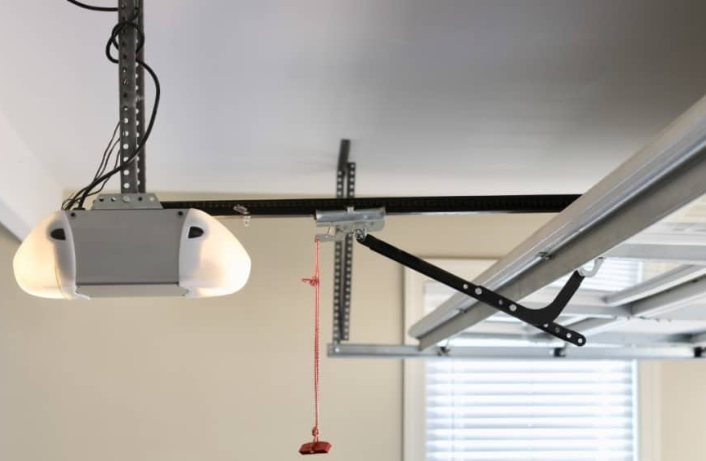
The manual release mechanism is designed to be easy to identify. In most garage door systems, the emergency release cord hangs from the opener rail near the center of the garage ceiling.
Identifying the Emergency Release Cord
The cord is usually:
- Bright red
- Attached to a plastic handle
- Hanging from the opener trolley
The red color makes it easy to spot during an emergency or when lighting conditions are poor.
When pulled downward, the handle disengages the trolley from the opener carriage.
Why Accessibility Matters
The manual release must remain easy to reach when the garage door is closed. If items are stored too close to the door or opener rail, access to the cord may be blocked.
What Homeowners Should Check
Periodic inspections help ensure the manual release remains functional. Important things to check include:
- The cord hanging freely from the opener
- No knots or tangles in the rope
- The handle is securely attached
- No visible fraying or damage
Regular inspection helps prevent problems during an emergency.
For additional guidance, read Why Is My Garage Door Manual Release Not Working? to learn about common causes and warning signs homeowners should watch for.
How the Garage Door Manual Release Actually Works
The operation of the manual release mechanism is fairly simple but relies on several mechanical components working together.
Disengaging the Garage Door Opener
When the emergency release cord is pulled, the following occurs:
- The trolley disconnects from the opener carriage.
- The garage door becomes independent from the motorized system.
- The door can move manually along the tracks.
At this point, the opener motor no longer controls the door.
Why the Door Can Still Move Easily
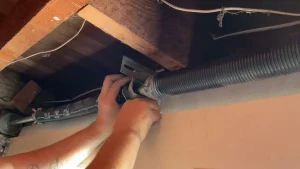
Many homeowners are surprised that a large garage door can be lifted by hand. This is possible because of the spring system installed above or alongside the door.
Garage doors rely on springs to counterbalance the weight of the door panels.
Types of Springs Used in Garage Doors
Two common spring systems are used:
Torsion springs
- Installed above the garage door opening
- Provide smooth and balanced lifting
Extension springs
- Installed along the horizontal tracks
- Stretch and contract when the door moves
These springs support most of the door’s weight, allowing it to move with minimal effort when the opener is disengaged.
Because springs operate under high tension, adjustments or repairs should only be performed by trained garage door technicians.
For more related insights, read Can a Garage Door Manual Release Stop the Door From Opening? to understand how this feature may affect normal door operation.
When Homeowners Should Use the Manual Release
The manual release should only be used in specific situations where the automatic opener cannot operate the door.
Common Situations
Power outages
When electricity is unavailable, the opener motor cannot operate. The manual release allows the door to be opened so a vehicle can exit or enter the garage.
Garage door opener malfunction
If the wall switch or remote control stops responding, disengaging the opener allows manual operation until the issue is diagnosed.
Emergency situations
The manual release provides a quick way to open the garage door if immediate access is required.
Environmental Factors in San Francisco
Garage doors in San Francisco, CA, may be exposed to coastal moisture, temperature changes, and daily usage. Over time, these factors can contribute to wear on opener components.
Understanding how the manual release works helps homeowners manage situations where the opener temporarily stops functioning.
What Happens After the Manual Release Is Pulled
Once the emergency release cord is pulled, the garage door switches from automatic operation to manual mode.
Manual Door Movement
The door can now move along the tracks without assistance from the motor. Most properly balanced doors should open and close smoothly by hand.
If the door feels unusually heavy, this may indicate a problem with the spring system or other mechanical components.
Reconnecting the Garage Door Opener
After power returns or the opener begins working again, the trolley can reconnect to the carriage.
In many systems, reconnection occurs when the opener is activated, and the trolley slides back into position along the rail.
A Safety Tip
Avoid pulling the emergency release when the garage door is fully open unless necessary. If springs are worn or damaged, the door could become unstable.
Signs the Garage Door Manual Release May Not Be Working Properly
Like any mechanical component, the manual release system can experience issues over time.
Warning Signs to Watch For
Several indicators may suggest the system needs attention:
- The emergency release cord feels stuck
- The trolley does not disengage when the cord is pulled
- The door does not move after disconnecting
- The opener fails to reconnect properly
- The garage door feels unusually heavy
Possible Causes
Several mechanical issues may contribute to these problems:
- Worn or damaged garage door springs
- Misaligned garage door tracks
- Problems with the opener trolley mechanism
- Cable wear or damage
- Lack of routine maintenance
A professional inspection can help identify the underlying cause.
Safety Tips When Using a Garage Door Manual Release
Although the manual release is designed to be simple, certain precautions should always be followed.
Avoid Pulling the Cord While the Door Is Moving
Pulling the release while the door is in motion may cause the trolley mechanism to disengage unexpectedly, which could damage the opener system.
Be Cautious if the Door Feels Heavy
A garage door that is difficult to lift may indicate an issue with the spring system or door balance.
Keep the Area Around the Tracks Clear
Debris, tools, or stored items near the tracks can interfere with manual door movement.
Supervise Children Around Garage Doors
The emergency release cord should never be used as a toy. Children should be supervised to prevent accidental operation.
How to Prevent Problems With the Manual Release System
Preventive maintenance can help keep garage door systems operating smoothly.
Inspect the Emergency Release Cord
Periodic inspections should look for:
- Rope fraying
- Loose handles
- Signs of wear
- Improper attachment to the trolley
Keep Garage Door Tracks Clean
Dust, debris, and small objects inside the tracks can create resistance when the door moves manually.
Lubricate Moving Parts
Lubricating key components helps reduce friction and improve overall performance. Common areas that benefit from lubrication include:
- Rollers
- Hinges
- Opener rails
Proper lubrication supports smoother movement and reduces strain on the opener.
Schedule Routine Garage Door Inspections
Professional garage door inspections help identify early signs of wear in critical components such as:
- Springs
- Cables
- Rollers
- Opener systems
Routine inspections help maintain safe and reliable operation.

When to Call a Garage Door Professional
Some garage door problems require professional evaluation to prevent further damage or safety risks.
Situations That May Require Professional Inspection
Professional help may be necessary when:
- The garage door becomes extremely heavy to lift
- The manual release fails to disengage
- The opener does not reconnect after manual operation
- The door appears crooked or uneven while moving
Garage door technicians typically inspect several parts when diagnosing these issues, including:
- Spring tension
- Door balance
- Opener trolley alignment
- Cable condition
- Track alignment
In some cases, worn or damaged cables may require garage door cable replacement to restore safe and balanced door movement.
Repair costs can vary depending on the specific problem and components involved.
Why Understanding the Manual Release Is Important for San Francisco Homeowners
Knowing how the garage door manual release works provides several important benefits.
Emergency Preparedness
If power interruptions occur, the manual release allows continued access to the garage.
Protecting the Garage Door System
Using the manual release correctly helps prevent damage to the opener and other components.
Maintaining Safety
Garage doors are large moving structures that rely on balanced mechanical systems. Understanding how these systems operate helps homeowners recognize potential warning signs before larger problems develop.
In San Francisco, CA, where coastal conditions and frequent daily use can place stress on garage door systems, regular inspection and proper operation are especially important. Choosing durable options such as an insulated garage door can also help improve structural strength and provide better protection against outdoor temperature changes.
Understanding the Importance of the Garage Door Manual Release
The garage door manual release is a simple but essential feature designed to keep garage doors accessible during power outages or opener malfunctions. By disconnecting the door from the motorized opener, this mechanism allows homeowners to operate the door manually when necessary.
Understanding where the manual release is located, how it functions, and when it should be used helps prevent unnecessary damage to the garage door system.
Routine inspections, proper maintenance, and professional evaluations when needed can help ensure that garage doors continue operating safely and reliably for many years. Regularly checking related components, such as door weatherstripping can also help protect the garage from moisture, debris, and temperature changes that may affect overall door performance.
Professional Garage Door Service in San Francisco, CA
For homeowners in San Francisco, CA, working with experienced garage door professionals can help ensure the system remains safe and reliable. Automatic Garage Door Corporation provides professional garage door inspections, maintenance, and repair services designed to keep garage door systems operating smoothly. If unusual issues appear with the manual release or opener system, scheduling a professional inspection can help identify the cause and restore proper operation. Contact us today or give us a call to schedule an inspection and keep your garage door operating safely and efficiently.