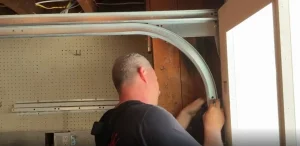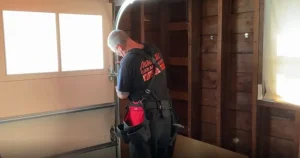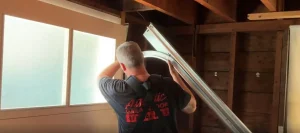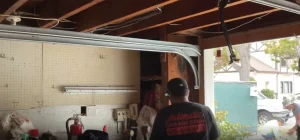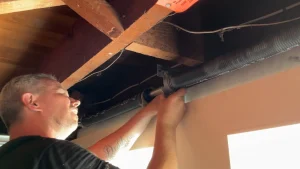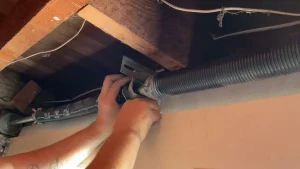


A garage door spring does the heavy lifting every single time that door goes up and down. Most homeowners never think about it, right up until the moment it snaps with a loud bang and the door refuses to budge. In a city like San Francisco, where the fog rolls in thick and the salty marine air drifts across neighborhoods from the Sunset to the Marina, springs tend to wear out faster than they do in dry inland areas. The good news is that a little attention goes a long way, and a simple spring & cable safety tune-up can catch problems long before they turn into a breakdown. This breaks down exactly how to keep that spring healthy for years.
Quick Answer
To prevent a garage door spring from breaking, lubricate it twice a year with a silicone-based product, protect it from rust caused by San Francisco’s moist coastal air, keep the door properly balanced, and book a professional tune-up once a year. Most springs last 7 to 12 years, and good maintenance pushes them toward the high end of that range.
Curious about the root of the problem? The blog “What Causes a Garage Door Spring Break?“ breaks it all down.
Why Garage Door Springs Break (Especially in San Francisco)
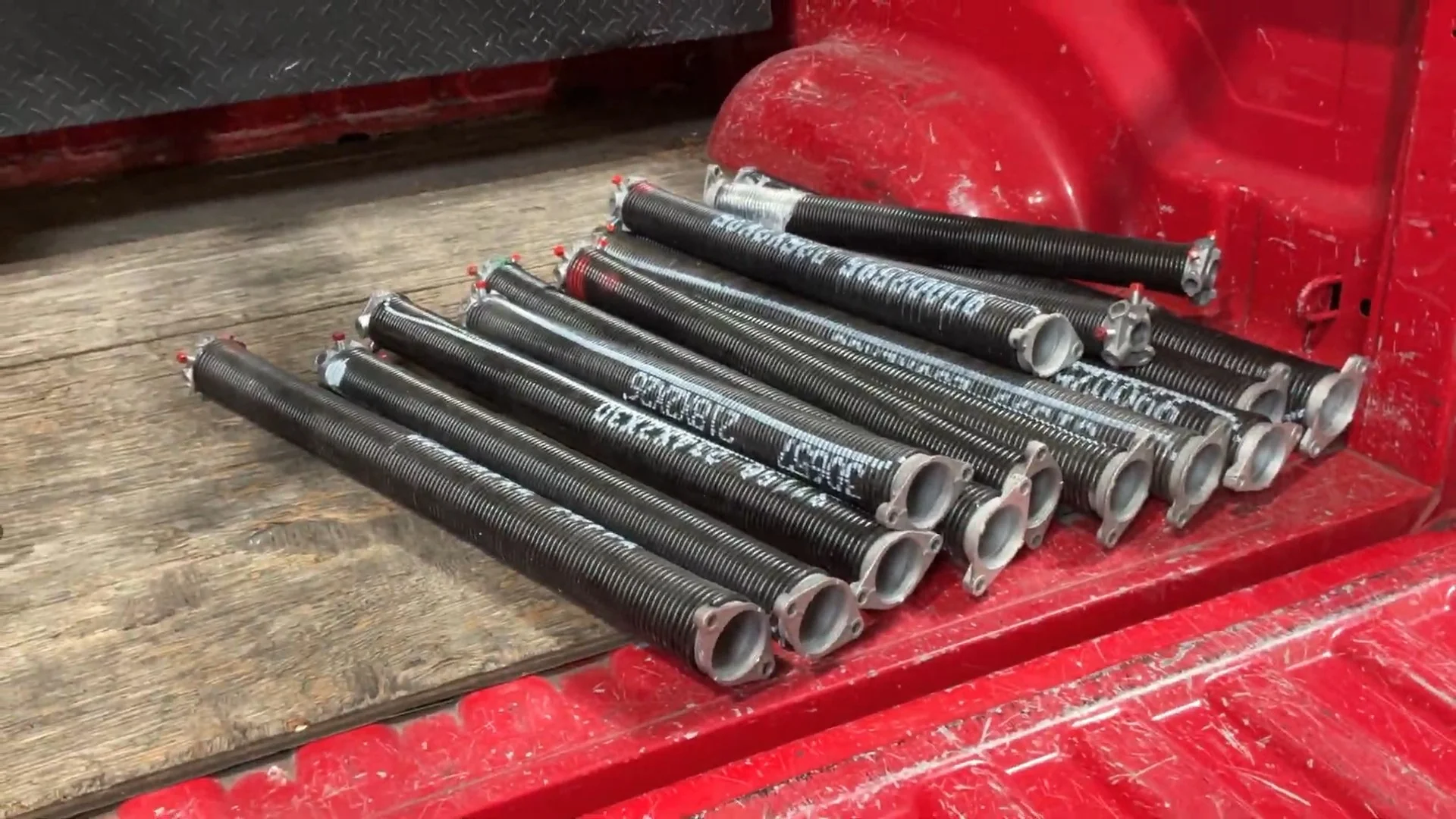
Garage door springs are rated by cycles. One cycle equals the door going up once and coming back down. A standard torsion spring is built for around 10,000 cycles, which works out to roughly 7 to 10 years for an average household. Open and close that door several times a day, and the clock runs out faster.
San Francisco adds its own twist to the story. The constant marine layer, the fog that hangs over the Richmond and Sunset districts, and the salt-laden breeze near Ocean Beach all create moisture that clings to metal. That moisture leads to rust, and rust is the number one enemy of a garage door spring. Rusty coils grind against each other, lose their smooth coating, and crack long before they should. Older homes around the city, including classic Victorians and Edwardians with original garages, often run on aging hardware that was never built for today’s daily use.
Cold snaps matter too. Metal contracts when temperatures drop, and a chilly Bay Area morning can be just enough stress to finish off a spring that was already worn. Put it all together, and San Francisco garages need a little extra care.
Want to catch trouble before it happens? Check out the blog “Can You Spot a Garage Door Spring Break Early?“ for the telltale signs.
9 Ways to Prevent a Garage Door Spring from Breaking
1. Lubricate the Springs Twice a Year
Lubrication is the simplest and most effective habit a homeowner can build. A dry spring rubs metal on metal, builds friction, and wears out fast. Applying a silicone-based or lithium-based garage door lubricant to the coils keeps them moving smoothly and blocks moisture from settling in.
Spring and fall make great reminders. Avoid using basic household oils, since those attract dust and gum up over time. A light, even coat is all it takes.
Ever wonder how common spring failures really are? The blog “How Often Does a Garage Door Spring Break?“ has the answers.
2. Fight the Fog and Salt Air with Rust Prevention
This tip matters more in San Francisco than almost anywhere else. The damp, salty air speeds up corrosion, so rust prevention deserves real attention here. A quality lubricant already adds a protective layer, but homeowners near the coast may want to wipe down the springs and check for early orange spots every few months.
Keeping the garage well ventilated helps cut down on trapped humidity. A small dehumidifier in a damp garage can also make a noticeable difference for homes close to the ocean.
3. Schedule Yearly Professional Tune-Ups
A trained technician spots trouble that an untrained eye misses. During a yearly tune-up, a pro checks spring tension, looks for tiny cracks, tightens hardware, and confirms the whole system is balanced and safe. Catching a weakening spring early is far cheaper and safer than dealing with a sudden break.
For busy San Francisco households that use the garage as the main entrance, a yearly visit is a smart investment. Think of it the same way as servicing a car.
4. Watch Your Cycle Count
Every spring has a limit. A home with a teenager, a couple of cars, and frequent comings and goings can blow past 10,000 cycles in just a few years. Families that use the door heavily should consider asking for high-cycle springs, which are rated for 20,000 cycles or more, during their next replacement.
Knowing roughly how old the current spring is helps with planning. A spring near the end of its rated life is living on borrowed time.
5. Keep the Door Balanced
An unbalanced door forces the spring to work harder than it should. To test balance, disconnect the opener (pull the red release cord) and lift the door halfway by hand. A well-balanced door stays put. If it slams down or shoots up, the spring tension is off and the system is straining.
A door that fails this test puts daily stress on the spring. That is a clear sign it is time to bring in a professional rather than letting the problem grow.
6. Don’t Ignore Strange Sounds
Springs often warn before they fail. Loud creaking, popping, squealing, or grinding usually points to friction, rust, or fatigue. A door that suddenly feels heavier or jerks as it moves is another red flag.
These sounds are easy to brush off, but they are the door asking for help. Acting early keeps a small fix from turning into a full breakdown.
7. Replace Both Springs at the Same Time
On doors that use two torsion springs, both age together. When one breaks, the other is usually close behind. Replacing only the broken one often means another repair visit within months, plus the same labor charge again.
Swapping both at once saves money over time and keeps the door balanced. Most reputable San Francisco garage door pros recommend this as standard practice.
8. Make Sure the Right Spring Was Installed
Not every spring fits every door. A spring that is too light for a heavy wood door, common in many older San Francisco homes, will wear out far too quickly. The wrong wire size, length, or diameter throws off the whole system.
If a previous spring failed surprisingly fast, the wrong part may have been installed. A professional can measure the door and confirm the correct spring specs.
9. Test the Auto-Reverse and Safety Features
Modern openers come with safety features that take strain off the system and protect everyone in the household. Testing the auto-reverse function (place a roll of paper towels in the door’s path and watch it reverse) confirms the system is working as intended.
A smooth, well-functioning opener works in harmony with the spring instead of fighting it. That teamwork extends the life of every part.
Warning Signs a Spring Is About to Break
Springs rarely fail without hints. Homeowners should stay alert for the door opening unevenly or crooked, a loud bang from inside the garage, gaps or separations in the torsion spring coils, the door feeling far heavier than usual, or the opener straining and struggling to lift. Loose, frayed, or stretched cables can also signal trouble nearby. Spotting any of these means it is time to act before the spring gives out completely.
What to Check Before Calling a Pro
Before reaching out to a technician, a few quick observations help speed up the repair. Look at the springs above the door and check for a visible gap or break in the coil. Notice whether the door opens partway and stops, or refuses to move at all. Listen for any new sounds, and check the cables for fraying. Note roughly how old the springs are if that information is known.
It is important to stay safe here. Garage door springs hold enormous tension, and they can cause serious injury. This is a look, do not touch, situation. Adjusting or removing a spring is a job for a trained professional with the right tools, not a weekend DIY project.
Average Cost of Garage Door Spring Replacement in San Francisco
Spring replacement in the San Francisco area generally falls into a moderate price range, with the exact figure depending on the spring type, the size of the door, and whether one or both springs need work. High-cycle springs cost a bit more up front but tend to pay off over time because they last so much longer. Labor in the Bay Area runs higher than the national average, which is worth keeping in mind when budgeting.
Getting a clear, itemized quote before any work begins is always a smart move. A trustworthy local company will explain the cost without pressure.
When to Call a Professional in San Francisco
Anytime a spring shows signs of damage, fails the balance test, or breaks outright, a licensed garage door professional is the right call. The same goes for doors that feel heavy, sound rough, or move unevenly. San Francisco’s coastal climate also means homeowners benefit from a technician who understands how local humidity and salt air affect hardware over time.
Choosing a licensed, insured, and well-reviewed local company protects both the home and the people in it. Experience matters with high-tension parts, and the right pro gets the job done safely the first time.
A Little Care Goes a Long Way
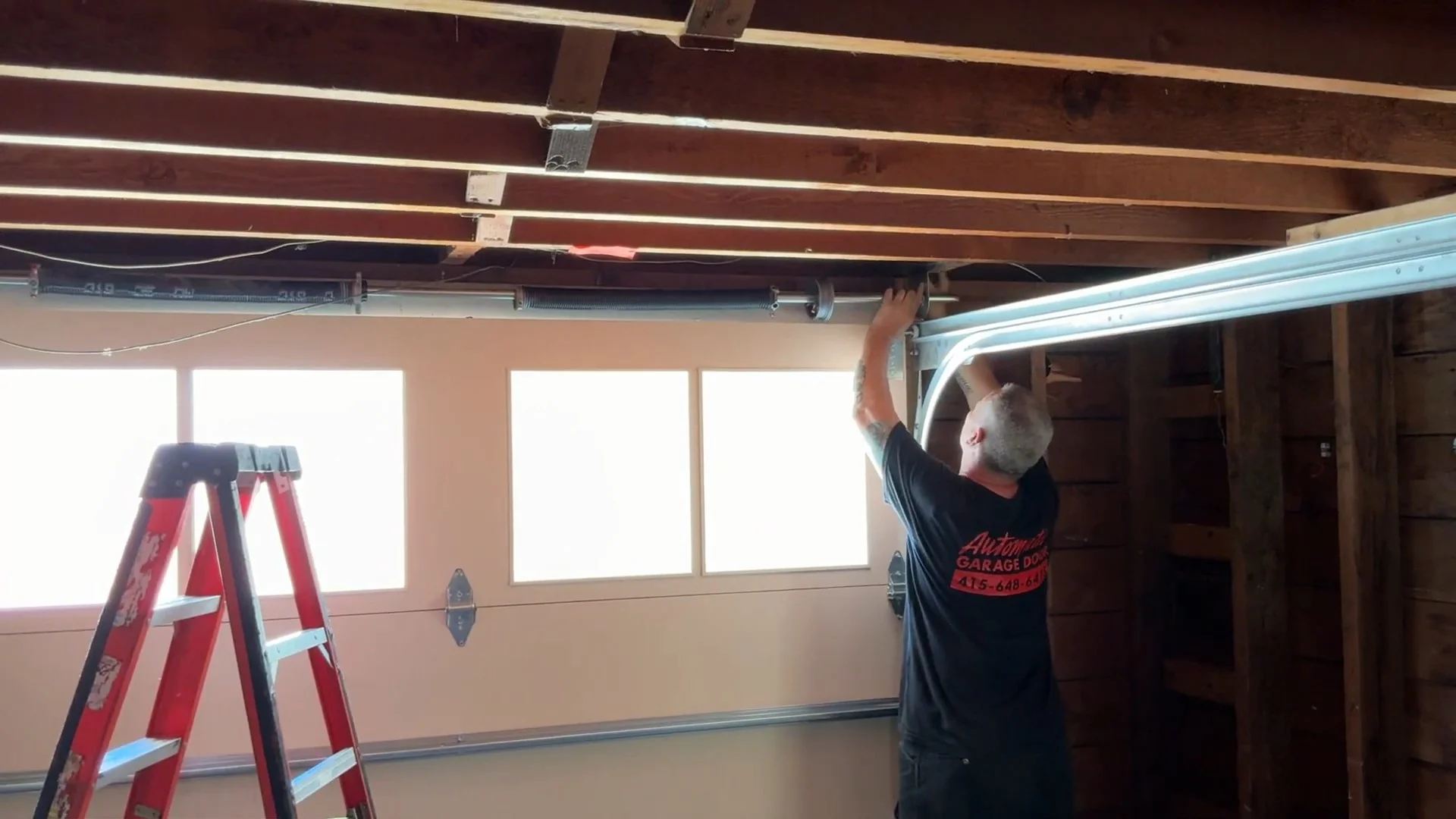
A garage door spring works hard and asks for very little in return. With regular lubrication, smart rust prevention tuned to San Francisco’s foggy, salty air, yearly tune-ups, and a quick response to warning signs, that spring can serve a household reliably for years. Prevention is always easier, safer, and friendlier on the wallet than an emergency repair, since a planned spring replacement on a healthy schedule beats a sudden failure every time. A few minutes of care twice a year keeps the door rolling smoothly and the home running without a hitch.
Trusted Garage Door Care in San Francisco
When it comes to keeping garage door springs in top shape, Automatic Garage Door Corporation is a name San Francisco homeowners can count on. With years of experience in the city’s coastal climate, the team knows exactly how fog, salt air, and daily wear affect every door. From tune-ups and lubrication to safe, professional spring replacement, the goal is always smooth-running doors and safe households. Contact us today or give us a call to schedule your tune-up.