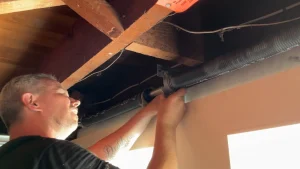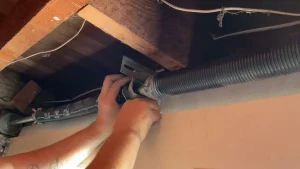


A garage door spring does a lot of heavy lifting. Every time the door goes up or down, the spring carries most of the weight so the opener and the door itself do not have to. When that spring breaks, the whole door can stop working in a single second. For many San Francisco homeowners, a broken spring is the number one reason a garage door suddenly will not open.
So what causes a garage door spring to break? The short answer is below, followed by the nine most common reasons our team sees on homes across the city. A simple spring & cable safety tune-up can catch many of these problems early, before they leave the door stuck.
Quick Answer
A garage door spring usually breaks because of normal wear over thousands of open-and-close cycles, rust from San Francisco’s salty coastal air, missed maintenance, weather changes, or a spring that was the wrong size for the door. Most springs last about 7 to 12 years, and rust from the marine layer can shorten that life in homes near the ocean and the bay.
Want to keep yours in good shape? Check out the guide on “How to Prevent a Garage Door Spring from Breaking” for simple steps that add years of life to your door.
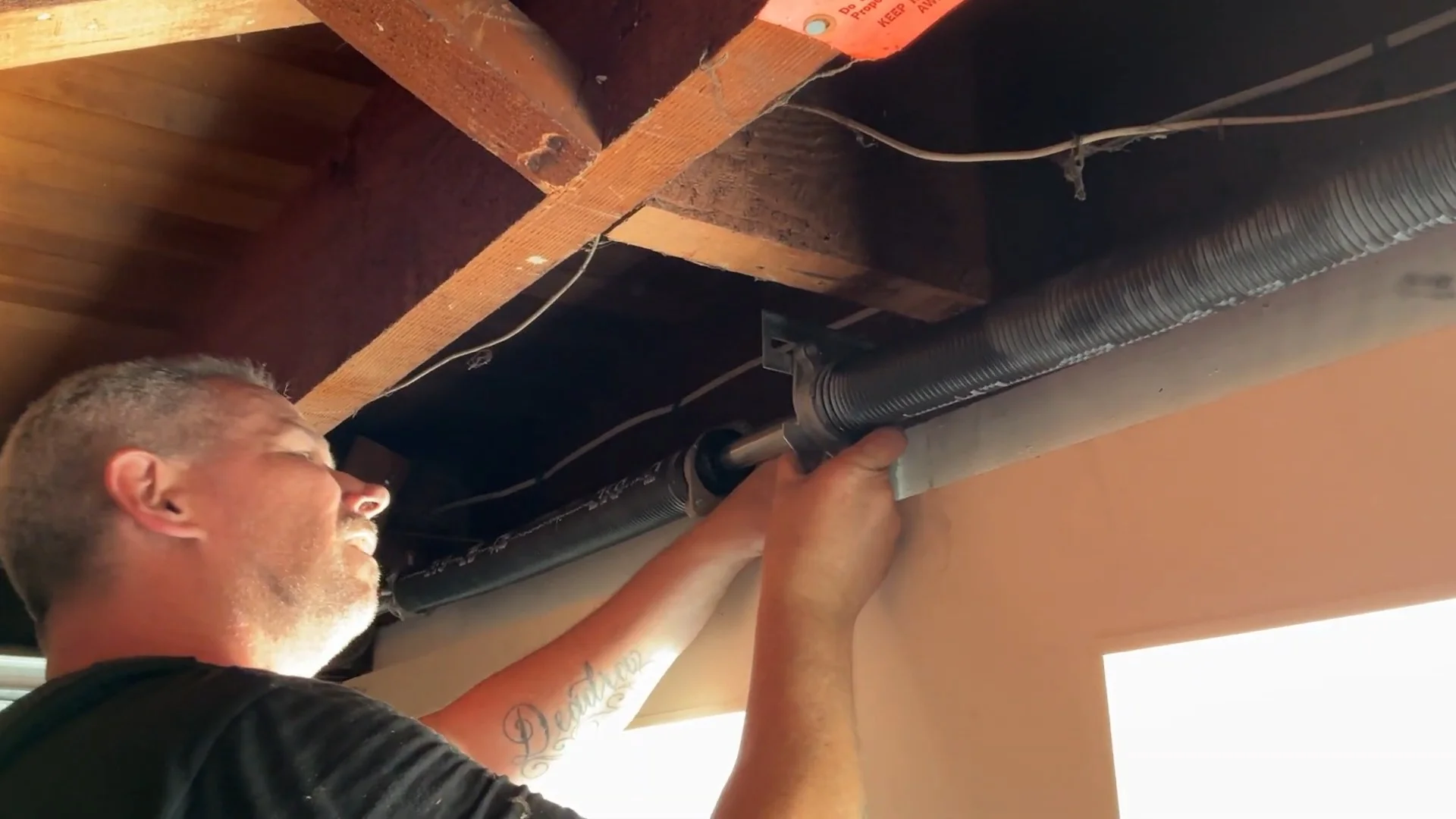
9 Common Causes of a Garage Door Spring Break
1. Normal Wear and Tear (Cycle Life)
Every spring has a limit. That limit is measured in cycles. One cycle equals the door going up one time and coming down one time. A standard spring is rated for about 10,000 cycles, which works out to around 7 to 9 years for an average household.
Homes where the garage is used as the main entrance go through more cycles each day. A family that opens the door six to eight times daily will wear out a spring faster than a home that uses it once. This is the most common reason of all. Springs simply have a job count, and once they hit it, the metal weakens and snaps.
Tip: Ask a technician for the cycle rating when a spring is replaced. Higher-cycle springs cost more up front but last much longer, which is helpful for busy households.
Not sure what a worn spring looks like before it fails? The guide “Can You Spot a Garage Door Spring Break Early?” breaks down the early signs worth watching for.
2. Rust and Corrosion (A Big Deal in San Francisco)
This cause hits San Francisco harder than most other cities. The marine layer, the fog, and the salty air off the Pacific and the Bay all carry moisture and salt. That salty moisture lands on the metal coils and slowly eats away at them.
Rust does two things. First, it weakens the metal so it can break sooner. Second, it creates friction between the coils, which means more strain every single cycle. Homes in areas like the Sunset, the Richmond, the Marina, and other neighborhoods close to the water tend to see rust-related spring failure earlier than homes farther inland.
What to check: Look for orange or brown flaking on the spring. A healthy spring looks clean and often has a light coat of lubricant.
Tip: A light spray of garage-door-specific lubricant a few times a year creates a barrier against moisture and slows rust.
Curious how often this really happens to homes like yours? The article “How Often Does a Garage Door Spring Break?” shares what to expect based on use and local conditions.
3. Lack of Regular Maintenance and Lubrication
Springs are not “set it and forget it” parts. Without a little care, friction builds up between the coils. That friction adds wear with every use. Over months and years, a dry, neglected spring breaks much sooner than one that gets a quick checkup twice a year.
Maintenance also catches small problems before they grow. A loose bolt, a worn cable, or a door that is slightly out of balance all put extra load on the spring.
Tip: Twice a year is a good rhythm in San Francisco, often in spring and fall. A short maintenance visit is one of the cheapest ways to stretch the life of every part on the door.
4. Cold and Damp Weather Swings
Metal reacts to temperature. When the air gets cold and damp, the metal in the spring becomes more brittle. Brittle metal cracks more easily under stress. San Francisco does not get freezing winters like other parts of the country, but the cool, foggy mornings and the damp air still affect the springs over time.
The riskiest moment is the first open of a cold, foggy morning. The metal is at its most brittle, and the sudden pull can be the final straw for a spring that was already worn.
Tip: On very cold or damp mornings, let the door open fully and pause before closing it again. Avoid rushing the door open and shut several times in a row when the metal is cold.
5. Wrong Spring Size for the Door
Not all springs are the same. A spring has to match the exact weight and height of the door it lifts. When the wrong spring is installed, it works too hard on every cycle. That extra strain wears it out fast and can lead to an early break.
This often happens after a quick or low-cost repair where the closest available spring was used instead of the correct one. A heavier door, such as a solid wood door common on some older San Francisco homes, needs a spring built for that weight.
What to check: If a fairly new spring broke within a year or two, the wrong size may be the reason.
Tip: Always have the door weight measured before a new spring goes in. A correct match is the single biggest factor in how long a spring lasts.
6. An Unbalanced or Heavy Door
A balanced door feels light and moves smoothly. When a door falls out of balance, the spring has to carry an uneven load. That uneven pull wears one spot of the spring faster than the rest until it gives out.
Doors can drift out of balance from worn rollers, bent tracks, loose hardware, or panels that have soaked up moisture and gotten heavier. Older homes around the city sometimes have original wood doors that have grown heavier with years of damp air.
What to check: Disconnect the opener and lift the door by hand about halfway. A balanced door stays put. A door that slams down or shoots up is out of balance and is straining the spring.
Tip: Have the balance checked during routine maintenance. Fixing balance early protects the spring and the opener.
7. Old Age of the Spring
Sometimes the answer is simply time. A spring that has been on a door for over a decade has done its job well and is ready to retire. Even with good care, metal fatigue builds up slowly. The coils lose their strength little by little until one final cycle finishes them off.
Many San Francisco homes still run on the original springs from when the garage was built or last updated. If the door is old and the spring has never been replaced, age alone is a strong suspect.
Tip: Keep a record of when the spring was installed. Once a spring passes the 10-year mark, planning ahead for a replacement avoids a surprise breakdown.
8. Low-Quality Springs
Not all springs are made to the same standard. Cheaper, lower-grade springs use thinner or weaker metal that wears out faster and rusts more easily. In a coastal city with salty air, a low-quality spring stands even less of a chance.
A bargain repair might save a little at first, but a weak spring often breaks again within a year or two. That means a second repair and a second service visit.
Tip: Ask about the grade and coating of the spring. Galvanized or coated springs resist rust better, which matters a lot near the ocean and the Bay.
9. DIY Adjustments Gone Wrong
Garage door springs hold a huge amount of stored tension. When someone tries to adjust or tighten a spring without the right training and tools, the spring can be left with too much tension or set unevenly. Both lead to early failure.
This cause is also the most dangerous on the list. A spring under tension can release with enough force to cause serious injury. That is why spring work is best left to trained technicians who handle it safely every day.
Tip: Cleaning, light lubrication, and visual checks are fine for homeowners. Tension adjustments and spring replacement are pro-only jobs.
Warning Signs Your Spring Is About to Break
A spring rarely fails without dropping a few hints first. Watch for these signs so a break does not catch the household off guard:
- The door feels heavy or struggles to open
- The door opens part way and then stops
- A loud bang comes from the garage, sometimes mistaken for a gunshot
- A visible gap appears in the spring coil
- The opener runs but the door barely moves
- The door looks crooked or hangs at an angle
- The door slams down faster than normal
Any of these signs is a good reason to stop using the door and have it looked at. Running the opener with a broken spring can damage the opener and other parts.
How to Make Your Garage Door Springs Last Longer
A few simple habits go a long way, especially in San Francisco’s damp, salty climate:
- Lubricate the springs with a garage-door-specific product a few times a year
- Schedule professional maintenance twice a year
- Keep the door balanced by fixing worn rollers and loose hardware early
- Wipe away built-up grime, dust, and salt residue
- Avoid slamming the door or running it many times in quick succession on cold mornings
- Replace both springs at the same time on two-spring doors, since the second one is usually close behind
These steps protect not just the spring but the opener, cables, and tracks too.
What to Do When a Spring Breaks (Safety First)
If a spring breaks, the safest move is to stop using the door right away. Here is the simple plan:
- Do not try to force the door open with the opener. This can burn out the motor or snap a cable.
- Do not try to lift a heavy door by hand once a spring is broken, since the full weight is no longer supported.
- Keep children and pets away from the door.
- Call a licensed garage door professional for an inspection and replacement.
Spring replacement is a job that calls for proper tools and training because of the high tension involved. A trained technician can swap the spring safely and check the rest of the system at the same time.
Average Cost and When to Call a Pro in San Francisco
The average cost of a garage door spring replacement in San Francisco depends on the type of spring, the size of the door, and the quality of the part. Torsion springs, the kind mounted above the door, usually cost more than extension springs, the kind mounted along the sides, because they last longer and handle heavier doors.
On a two-spring door, replacing both at once is the smart choice. The springs share the load and age together, so a fresh pair keeps the door balanced and avoids a repeat visit soon after.
A licensed local technician is the right call any time a spring shows damage, the door is off balance, or a spring has already snapped. A pro who knows San Francisco’s coastal conditions can also recommend rust-resistant parts built for the local climate.
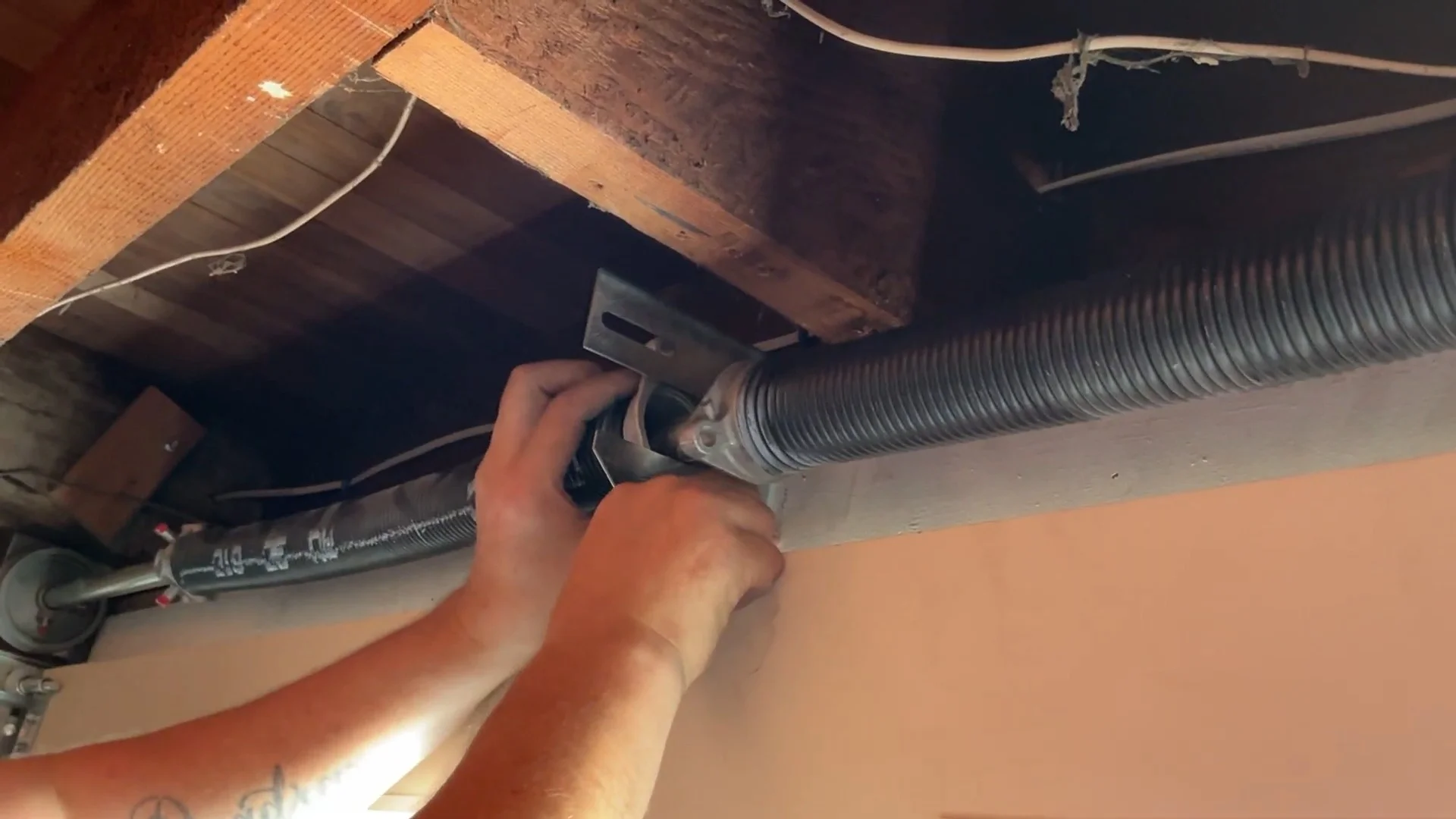
Stay Ahead of a Broken Garage Door Spring
A garage door spring breaks for clear and common reasons: everyday wear, rust from the salty coastal air, missed maintenance, weather swings, the wrong spring size, an unbalanced door, old age, low-quality parts, or unsafe DIY work. San Francisco’s foggy, salty environment makes rust and corrosion an even bigger factor than in many other cities.
The good news is that most spring breaks can be delayed or even prevented. A little lubrication, regular checkups, and quick attention to warning signs keep the door running smoothly for years. When a spring does break, stepping back and calling a trained professional for a spring replacement is the safest and smartest move for any San Francisco home.
Trusted Garage Door Care in San Francisco
When a spring breaks or shows signs of wear, the right team makes all the difference. Automatic Garage Door Corporation has helped San Francisco homeowners keep their doors safe, balanced, and running smoothly for years, using quality, rust-resistant parts built for the local coastal climate. Contact us today or give us a call to schedule your inspection and get your garage door working like new again.