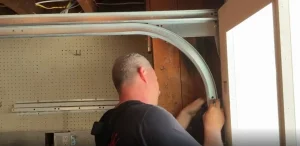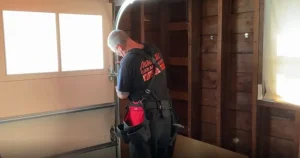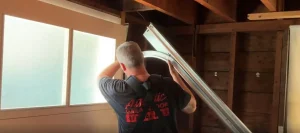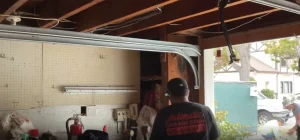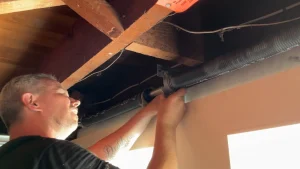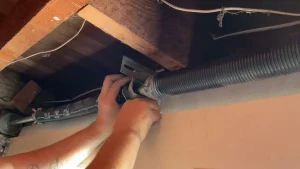


A garage door is one of the heaviest moving parts of any home, and in San Francisco, it works harder than most people realize. Between the salty coastal air, the steep hills, and the daily fog that rolls in off the bay, local doors take a beating. When something starts to go wrong, the problem often hides in a part most people never look at closely: the metal channels the door rides on. Learning how to spot misaligned garage door tracks early can save a homeowner a lot of stress, noise, and money down the road. In many cases, a simple garage door track realignment catches the issue before it turns into a much larger garage door repair.
This guide breaks down the clearest warning signs, walks through simple safety checks, and shares prevention tips from the point of view of someone who has serviced hundreds of doors across the city. The goal here is to help readers understand the problem, not to turn anyone into a repair technician. Some fixes, such as a full garage door repair or a precise garage door track realignment, are best left to a trained pro for safety reasons.
What Is Garage Door Track Alignment?
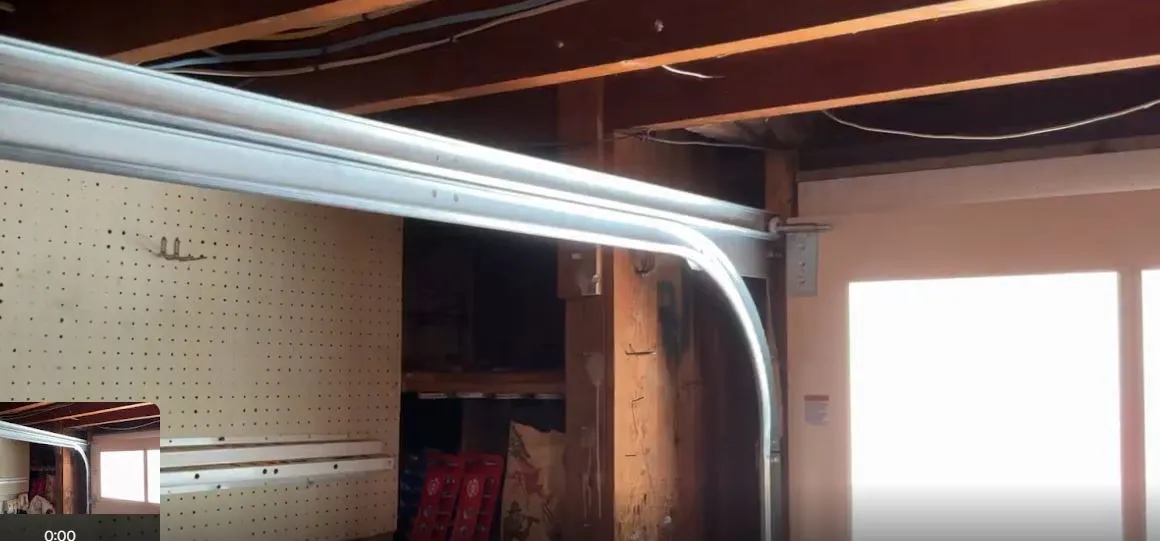
So, what is garage door track alignment? In simple terms, it is how straight and even the two metal rails on each side of the door are. These rails, known as garage door tracks, guide the small wheels (called rollers) as the door rolls up and down. When the tracks sit at the correct angle and spacing, the door glides smoothly and quietly. When they shift, bend, or loosen, the whole system starts to struggle.
Good garage door track alignment keeps the weight of the door balanced and the rollers seated where they belong. Understanding what is garage door track alignment matters because even a small shift of a quarter inch can throw the entire door off. Many people never think about what is garage door track alignment until the door starts acting up, and by then the damage may already be spreading to other parts.
Curious what makes those rails shift in the first place? The blog “What Causes Garage Door Tracks to Come Loose?” breaks it down in plain terms.
Why Misaligned Garage Door Tracks Are Common in San Francisco Homes
San Francisco creates a perfect storm for garage door track problems. The city’s famous marine fog carries salt and moisture that speed up rust on metal parts. Rust weakens the brackets that hold the garage door tracks in place, and loose brackets lead straight to misaligned garage door tracks.
The city’s hilly geography plays a role too. Many homes sit on slopes, and older garages can settle or shift slightly over the years. When the frame moves, the tracks move with it. Add in the tight, narrow garages found in many Victorian and Edwardian homes, and it is easy to bump a track while parking. All of these local factors mean garage door track problems show up more often here than in drier, flatter regions.
Wondering how serious a bend can really get? The blog “Are Bent Garage Door Tracks a Safety Risk?” is well worth a read.
9 Signs Your Garage Door Tracks Are Misaligned
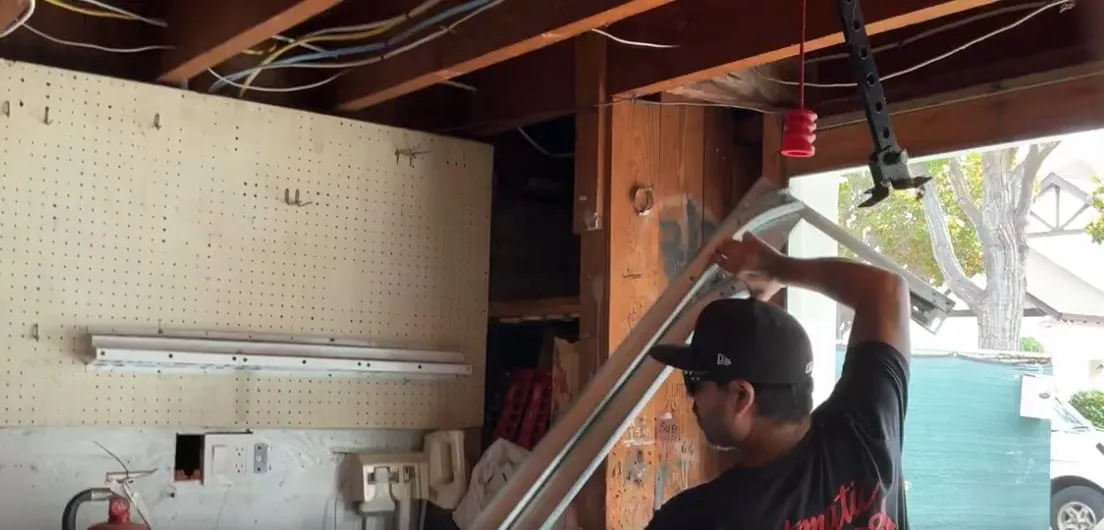
Here are the nine most reliable clues that point to misaligned garage door tracks. Watching for these signs is the first step in knowing how to check garage door track alignment before a small issue becomes a big one.
1. The Door Moves Unevenly or Looks Crooked
A healthy door rises and falls in a straight, level line. When one side lags behind the other or the door looks tilted, that lean is a classic red flag. Uneven movement usually means one of the garage door tracks has slipped out of position, and it is often the earliest sign of garage door track problems.
2. Loud Grinding, Scraping, or Popping Sounds
Doors are not silent, but they should not be alarming either. Grinding, scraping, or sharp popping noises often mean the rollers are being forced against metal at the wrong angle. That harsh sound is friction, and friction is one of the loudest signals of misaligned garage door tracks.
3. Visible Gaps Between the Rollers and the Track
Take a look at where the little wheels sit inside the rail. If a gap appears between a roller and the track wall, or if a roller looks like it is barely hanging on, the alignment has drifted. This gap is one of the easiest things to spot when learning how to check garage door track alignment at home.
4. The Door Slows Down or Sticks in the Same Spot
Pay attention to whether the door hesitates at the exact same height every time. A door that consistently drags or stalls in one spot is usually catching on a bent or shifted section. Repeated sticking is a strong hint that garage door track adjustment is needed.
5. Bent, Twisted, or Dented Track Sections
Sometimes the damage is easy to see. A car bumper, a stray bike, or years of stress can bend the metal. Even a slight twist changes the path the rollers follow. Any visible bend is a clear sign of garage door track problems and may call for garage door track repair rather than a simple adjustment.
6. The Door Won’t Close All the Way
A door that stops short of the floor or leaves a gap on one side is trying to tell a story. Misaligned garage door tracks throw off the door’s balance, so it can no longer seal properly. In foggy San Francisco, that gap also lets in cold, damp air, which speeds up rust on the very parts causing the trouble.
7. Rubbing Marks or Shiny Wear Spots on the Track
Look closely at the inside of the rails. Bright, shiny streaks or worn patches show where metal has been rubbing against metal. These marks are physical proof that the rollers are not traveling where they should. Wear spots often appear well before the door fully fails, making them a useful early clue.
8. The Door Shakes or Jerks While Moving
Smooth is the goal. A door that shudders, shakes, or jerks as it travels is fighting resistance somewhere along the path. This jerky motion often points to garage door tracks that have loosened or shifted, and it puts extra strain on the opener motor.
9. The Auto-Reverse Feature Keeps Triggering
Modern openers have a safety feature that reverses the door if it senses too much resistance. When misaligned garage door tracks create drag, the opener may read that drag as an obstacle and reverse on its own. A door that keeps stopping and going back up for no clear reason is often dealing with hidden alignment trouble.
Thinking about getting things straightened out? The blog “Can Garage Door Tracks Be Realigned Safely?” explains what to expect.
How to Check Garage Door Track Alignment at Home
Knowing how to check garage door track alignment does not require special training, just care and good habits. Start by disconnecting the opener and gently moving the door by hand. It should feel smooth and stay put when stopped halfway. Any grinding or a tendency to slide on its own points to a problem.
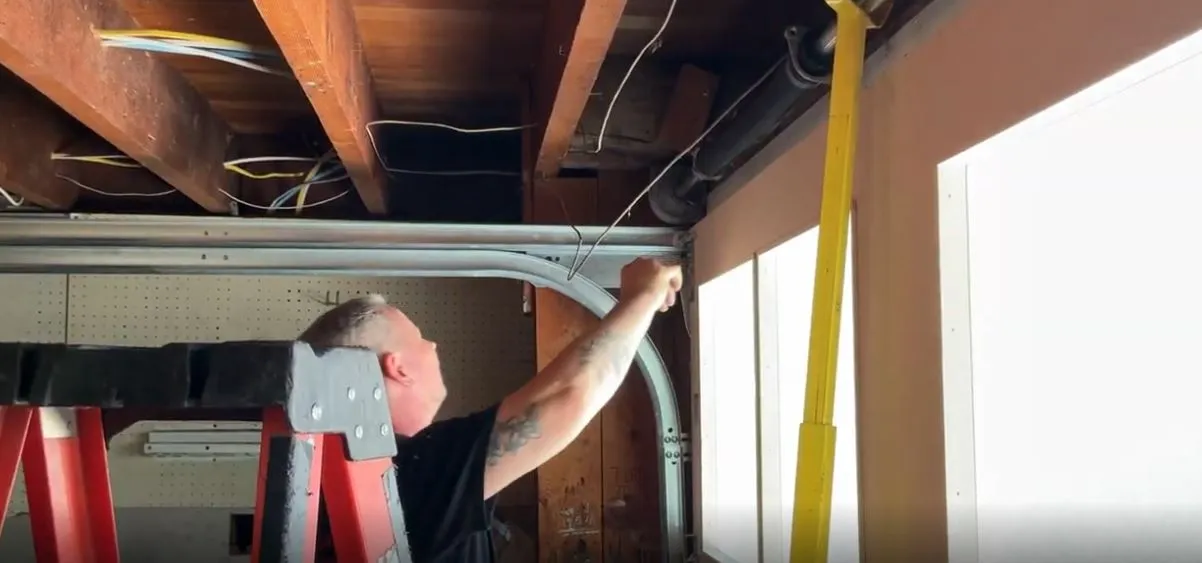
Next, do a slow visual walk-around. Look for gaps, bends, and shiny wear marks along both garage door tracks. A simple level held against the vertical section of the rail can reveal whether the track leans away from straight. This basic inspection is the heart of how to check garage door track alignment, and doing it a few times a year keeps small issues from growing.
For anyone curious about how to align garage door tracks, the honest answer is that light garage door track adjustment involves loosening the bolts on the mounting brackets and nudging the rail back into place. That said, this task carries real risk because the door and its spring hold enormous tension. Understanding how to align garage door tracks in theory is helpful, but the actual work is safest in trained hands. Rather than searching endlessly for how to align garage door tracks online, most homeowners are better off doing the inspection and leaving the correction to a pro.
What to Do About Garage Door Track Problems
Once garage door track problems appear, quick action prevents bigger repair bills later. Small shifts often only need a professional garage door track adjustment, where a technician realigns the rail and tightens the brackets. A proper garage door track adjustment restores smooth movement and protects the rollers, springs, and opener from extra wear.
More serious damage, like a deep bend or a cracked bracket, usually calls for garage door track repair. During garage door track repair, a technician may straighten or replace the damaged section and check the surrounding hardware. In San Francisco, the average cost of a standard garage door track repair falls in a moderate range and is far cheaper than replacing an entire door that has been running crooked for months. Acting early keeps garage door track repair simple and affordable.
If the door has fully jumped off the rails, no one should try to force it back or keep operating it. A door off its garage door tracks is heavy and unstable, and running it can cause injury or further damage.
How to Avoid Misaligned Garage Door Tracks
Prevention is far easier than repair. A few simple habits go a long way toward protecting garage door track alignment for years.
- First, keep the tracks clean. Wipe away dust, cobwebs, and grime every couple of months so nothing builds up inside the rails. In coastal areas, wiping down the metal also slows the salt-driven rust that leads to misaligned garage door tracks.
- Second, watch how the car is parked. Tight San Francisco garages leave little room for error, so give the door frame space and avoid bumping the rails. A single hard knock can undo good garage door track alignment in an instant.
- Third, keep the moving parts lightly lubricated with a product made for garage doors. Smooth rollers put less stress on the tracks and help preserve garage door track alignment over time. Avoid heavy grease, which just traps grit.
- Fourth, listen and look. Noticing a new sound or a slight lean early makes garage door track adjustment quick and cheap. Catching garage door track problems before they spread is the single best way to protect the whole system. Regular maintenance also reduces the chance of ever needing major garage door track repair.
When to Call a San Francisco Garage Door Pro
Some situations should always go to a professional. A door that is fully off its garage door tracks, a badly bent rail, or a door under heavy spring tension are all jobs for a trained local technician. San Francisco’s mix of older homes, tight garages, and coastal weather means a pro who knows the area can spot problems a general handyman might miss. The same weather that causes track trouble also wears down seals, so a weatherstripping service is often worth asking about during the same visit.
A qualified technician can perform a full inspection, handle any needed garage door track adjustment or garage door track repair, and confirm the door is safe to use. A trained pro can also spot related issues, such as a worn cable that calls for garage door cable replacement, before it becomes a hazard. When misaligned garage door tracks are involved, expert help protects both the home and the people in it. Given how heavy these doors are, calling a pro is often the smartest and safest choice.
Spotting the signs early, understanding what is garage door track alignment, and knowing how to check garage door track alignment puts any homeowner in a strong position. With a little attention and the right help when needed, garage door track problems do not have to turn into a costly headache.
Your Trusted Local Garage Door Experts
For homeowners across San Francisco who want peace of mind, Automatic Garage Door Corporation brings years of hands-on experience, honest service, and a deep understanding of the local climate and older home styles that make garage door track problems so common in the area. Our team treats every door with the same care we would give our own, handling everything from a quick garage door track adjustment to a full garage door track repair with skill and attention to safety. Friendly, reliable, and focused on doing the job right the first time, we are ready to get any door back on track. Contact us today or give us a call, and let the experts take care of the rest.