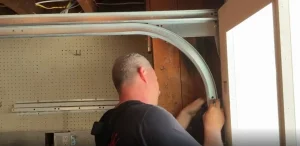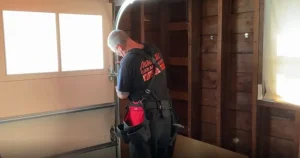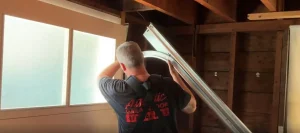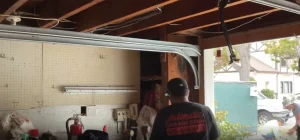


A garage door is one of the biggest moving parts in any home, and it depends on a simple set of metal tracks to run smoothly. When those tracks loosen, the whole system starts to struggle. If the door in a San Francisco home is shaking, sticking, or making strange noises, loose or misaligned tracks are often the reason. Left alone, that trouble can grow into a bigger garage door repair down the line, sometimes calling for a full garage door track realignment. This guide breaks down the top causes in plain terms, along with expert tips that local homeowners can actually use.
Quick Answer: Why Do Garage Door Tracks Come Loose?
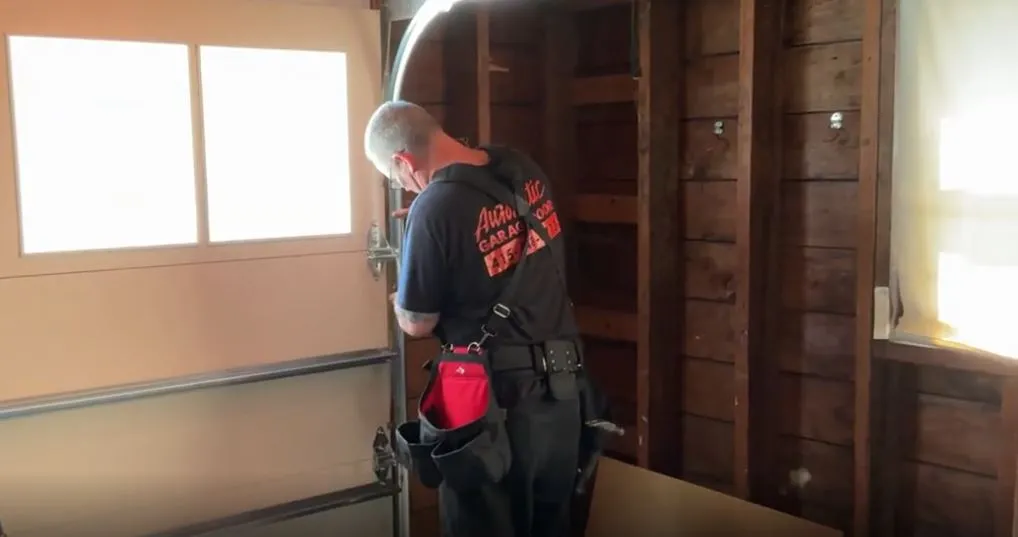
Garage door tracks come loose mostly because of vibration, worn hardware, moisture, impact, and skipped maintenance. Over time, the bolts and brackets that hold the tracks to the wall and ceiling work themselves free. Once that happens, the door can drift out of position and put stress on the rollers, springs, and opener. Catching the problem early is the key to avoiding bigger repairs.
For a closer look at the red flags to watch for, check out the guide “How to Tell If Garage Door Tracks Are Misaligned.“
What Is Garage Door Track Alignment?
So, what is garage door track alignment, exactly? Garage door track alignment is the correct spacing, angle, and straightness of the metal tracks that guide the door up and down. Both the vertical track and the horizontal track need to sit at the right distance from the door and stay parallel to each other. When everything lines up, the rollers glide without grinding or gaps.
Good garage door track alignment keeps the door balanced and quiet. When the alignment is off, the door leans, drags, or slips. Understanding what garage door track alignment means helps homeowners spot trouble before it turns into a safety issue. In short, what is garage door track alignment comes down to this: tracks that are straight, level, and evenly spaced so the door moves the way it was designed to.
To understand why alignment matters so much for safety, read “Are Bent Garage Door Tracks a Safety Risk?“
8 Common Causes of Loose Garage Door Tracks
Below are the eight causes that garage door technicians in the Bay Area run into most often. Any one of them can lead to misaligned garage door tracks if left alone.
1. Loose or Missing Track Bolts and Brackets
Every set of garage door tracks is held in place with lag bolts and brackets. These fasteners take a beating each time the door opens and closes. Over months and years, they slowly back out. A single loose bracket can let the track shift, which throws off the entire garage door track alignment. This is the number one cause of garage door track problems in older homes.
2. Everyday Vibration From Daily Use
The average family opens and closes the garage door three to five times a day. That constant motion sends vibration through the metal and hardware. Vibration is quiet, but it is powerful, and it loosens bolts a little more each cycle. This slow shaking is a leading reason garage door tracks drift out of place without any obvious event to blame.
3. Impact From Cars, Bikes, or Storage Items
San Francisco garages are tight. Many homes have narrow, sloped, or shared garages where space is limited. A bumped fender, a leaning ladder, or a stack of boxes can knock into the vertical track and bend or shift it. Even a light hit can create misaligned garage door tracks. This kind of impact is one of the most common triggers for emergency garage door track repair calls in the city.
4. San Francisco Coastal Moisture and Rust
The Bay Area climate plays a real role here. Cool, damp air and coastal fog raise the moisture level inside garages, especially in neighborhoods closer to the water like the Sunset, the Richmond, and the Marina. That humidity leads to rust on tracks, bolts, and brackets. Rusted hardware loses its grip, and rusted tracks lose their shape. This local factor makes garage door track problems more frequent in San Francisco than in dry inland areas.
5. Poor Installation From the Start
Not every door is installed the right way. If the tracks were mounted with too few fasteners, uneven spacing, or the wrong angle, the system was set up to fail. A door installed poorly may run fine for a while, then loosen quickly. When homeowners ask about garage door track adjustment early in a door’s life, bad installation is often the hidden cause.
6. Foundation Shifts and Home Settling
Many San Francisco homes are older and built on hills or fill. As a house settles or shifts over the years, the garage frame can move with it. Even a small change in the wall can pull the tracks out of line. This is a sneaky cause because nothing on the door itself is broken, yet the garage door track alignment still ends up off.
7. Worn Rollers Dragging on the Tracks
The rollers are the small wheels that ride inside the tracks. When they wear out, they no longer roll smoothly and start to drag. That dragging tugs on the track and stresses the brackets. Worn rollers and loose tracks feed off each other, and together they create serious garage door track problems that get worse fast.
8. Skipped Maintenance
Most garage door track problems trace back to one thing: no maintenance. Tracks that are never cleaned, checked, or tightened will loosen on their own. A yearly tune-up catches loose bolts, early rust, and worn parts before they cause misaligned garage door tracks. Skipping this simple step is the easiest way to end up needing garage door track repair.
If the tracks have already shifted, the article “Can Garage Door Tracks Be Realigned Safely?” explains what to expect next.
How to Check Garage Door Track Alignment
Homeowners often ask how to check garage door track alignment without special tools. A simple visual inspection covers most of it. Learning how to check garage door track alignment starts with the door closed and the power to the opener turned off for safety.
Here is a basic way to check:
- Look down the length of the track. The vertical and horizontal tracks should look straight, with no bends, dents, or bows.
- Check the gap. The space between the roller and the track should be even from top to bottom. Uneven gaps point to alignment trouble.
- Watch the door move. Open and close it slowly by eye. A door that wobbles, leans, or hesitates is a clear sign of misaligned garage door tracks.
- Inspect the brackets. Look for loose, missing, or rusted bolts holding the tracks to the wall.
- Listen closely. Grinding, scraping, or popping sounds often mean the alignment is off.
Knowing how to check garage door track alignment lets a homeowner spot problems early. Doing this check twice a year is a smart habit for anyone in San Francisco, where moisture speeds up wear. If the check turns up bent metal or heavy rust, that usually calls for professional garage door track repair rather than a quick fix.
Warning Signs of Misaligned Garage Door Tracks
Misaligned garage door tracks rarely stay quiet. The door usually gives clear warnings. Watch for these signs:
- The door sticks or stops partway.
- One side of the door hangs lower than the other.
- Loud grinding or rubbing during use.
- Visible gaps between the roller and the track.
- The door looks crooked when closed.
Any of these signs means the garage door track alignment needs attention. Ignoring misaligned garage door tracks puts extra load on the torsion spring and opener, which can turn a small issue into a big one.
How to Align Garage Door Tracks (and When to Stop)
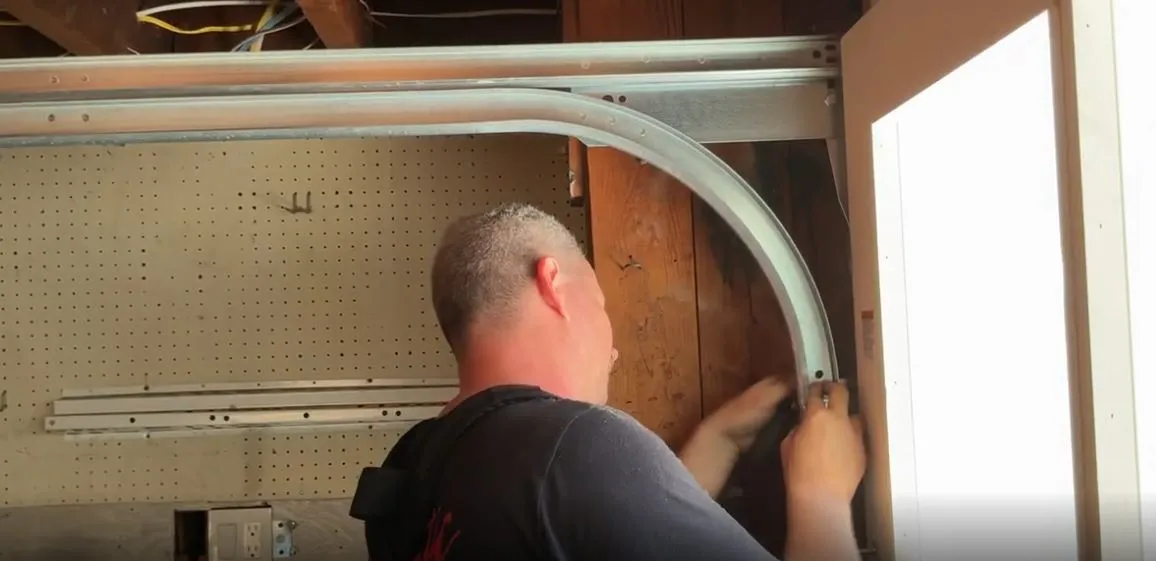
Plenty of homeowners want to know how to align garage door tracks themselves. Light garage door track adjustment can sometimes be a small task, but it comes with real limits and real risks.
The basic idea behind how to align garage door tracks is to slightly loosen the bracket bolts, gently nudge the track back into the correct position, then retighten. That sounds simple, but the tracks are under tension and connected to a spring system that stores a huge amount of force. This is where caution matters most.
Minor garage door track adjustment, like snugging a slightly loose bolt, may be within reach for a careful homeowner. But when the track is bent, badly rusted, or the door is clearly off, the safe answer to how to align garage door tracks is to call a trained garage door technician. The spring and cable systems can cause serious injury, so this is not the place to guess. A pro can complete a full garage door track adjustment safely and confirm the whole system is balanced.
The goal of this guide is to help San Francisco homeowners understand the problem, not to walk anyone through a risky repair. Knowing when to stop is part of being smart about garage door track repair.
Tips to Prevent Garage Door Track Problems
The good news is that most garage door track problems are easy to prevent. These expert-backed habits keep the tracks tight and the door running smooth.
- Schedule a yearly tune-up. A professional inspection catches loose hardware and early rust before it causes misaligned garage door tracks.
- Tighten bolts once or twice a year. Vibration loosens fasteners, so a quick check with a wrench keeps things secure.
- Keep the tracks clean. Wipe away dirt, cobwebs, and grime that build up over time.
- Fight moisture. In foggy San Francisco neighborhoods, keeping the garage ventilated helps slow the rust that leads to garage door track problems.
- Give the door room. Store bikes, tools, and boxes away from the vertical track to avoid accidental impact.
- Watch the rollers. Replace worn rollers early so they do not drag on the tracks.
- Act on warning signs fast. A small noise today is cheaper to fix than a full garage door track repair later.
Following these steps protects the garage door track alignment and helps the whole system last longer.
Average Cost of Garage Door Track Repair in San Francisco
Cost is one of the first questions homeowners ask. Garage door track repair in San Francisco usually falls into the low-to-moderate range for the Bay Area, depending on how much of the track is damaged and whether extra parts are needed. Simple garage door track adjustment tends to sit at the lower end of the average cost, while replacing a bent track or worn rollers raises the average cost a bit higher.
Because San Francisco labor rates run above the national average, homeowners here can expect garage door track repair to cost a little more than in smaller markets. Getting a clear quote up front and choosing a licensed local pro is the best way to keep the average cost fair. Regular maintenance also keeps costs down by preventing major garage door track problems in the first place.
Keep Your Garage Door Tracks in Top Shape
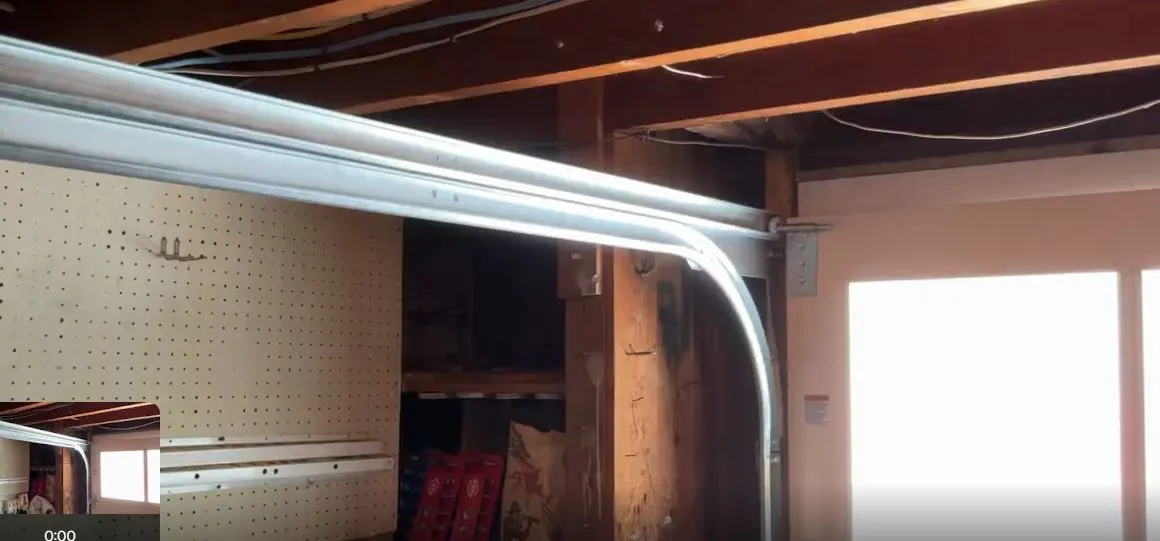
Garage door tracks do a lot of quiet work, and they need a little care to keep doing it. Loose bolts, daily vibration, coastal moisture, and skipped maintenance are the main reasons tracks come loose in San Francisco homes. By learning how to check garage door track alignment, watching for the warning signs of misaligned garage door tracks, and calling a pro for any real garage door track adjustment, homeowners can avoid the headache of a door that fails at the worst moment. Regular care also gives a technician the chance to spot related needs early, like a worn weatherstripping service or a timely garage door cable replacement, before they turn into costly surprises. A little attention today protects both safety and budget tomorrow.
Trusted Local Help for San Francisco Homeowners
When it comes to keeping garage door tracks straight, secure, and safe, Automatic Garage Door Corporation is a name San Francisco homeowners can count on. With years of hands-on experience serving the Bay Area, our team knows exactly how local fog, moisture, and older hillside garages affect garage door track alignment. From quick garage door track adjustment to full garage door track repair, we deliver honest advice, quality workmanship, and friendly service that puts your safety first. Do not wait for a small track problem to turn into a big one. Contact us today or give us a call to schedule your inspection and keep your garage door running smoothly for years to come.